



Discover the Complete journey to Your Home
Piped Natural Gas (PNG) has become a popular, clean, and convenient fuel for households and industries. But have you ever wondered where this gas actually comes from and how it reaches your kitchen? Let’s break down the complete journey.
1. What is Piped Natural Gas (PNG)?
PNG (Piped Natural Gas) is primarily composed of methane and is used for:
- Cooking in homes
- Heating
- Industrial fuel
It is supplied through underground pipelines, eliminating the need for LPG cylinders.
2. Origin: Natural Gas Extraction
PNG begins its journey deep underground.
Sources of Natural Gas:
- Gas fields beneath the earth’s surface
- Oil wells (associated gas)
- Offshore reserves under the sea
In India, major natural gas production comes from companies like oil and Natural Gas Corporation and reliance Industries.
3. Processing and Purification
Raw natural gas is not ready for use immediately.
It goes through:
- Removal of impurities (water, dust, sulfur compounds)
- Separation of other hydrocarbons
After processing, the gas becomes clean, odorless, and safe for distribution (an odorant is later added for leak detection).
4. Transportation Through Pipelines
Once purified, the gas is transported across long distances.
Pipeline Network:
- High-pressure transmission pipelines
- Operated by companies like GAIL
These pipelines carry gas from production sites to cities.
5. City Gas Distribution (CGD)
When gas reaches urban areas, it enters the City Gas Distribution system.
What Happens Here:
- Pressure is reduced for safe usage
- Gas is distributed through local pipelines
Companies involved include:
- Indraprastha Gas Limited
- Adani Total Gas
6. Final Delivery to Homes
How It Reaches Your Kitchen:
- Underground pipelines connect to your home
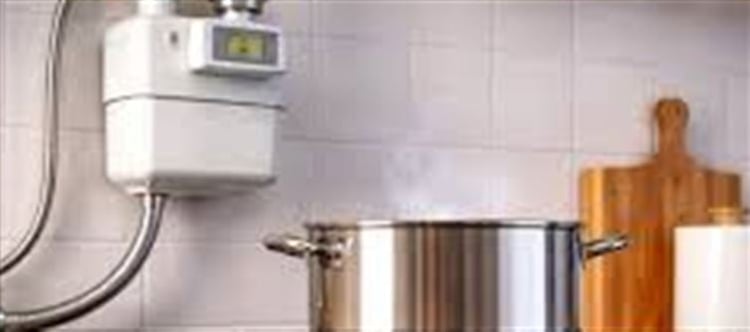
- A gas meter measures your usage
- Gas flows directly to your stove
Safety Features:
- Odor added for leak detection
- Automatic shut-off systems
- Regular maintenance checks
7. Advantages of PNG
Why More people Prefer PNG:
- Continuous supply (no cylinder refills)
- Safer than LPG
- Eco-friendly (lower emissions)
- Cost-effective in the long run
8. PNG vs LPG: Quick Comparison
Feature
PNG
LPG
Supply
Continuous
Cylinder-based
Safety
Higher
Moderate
Storage
Not required
Required
Convenience
Very high
Medium
Conclusion
Piped Natural Gas travels a long journey—from deep underground reserves to your kitchen stove. With efficient extraction, processing, and pipeline distribution systems, PNG offers a reliable and cleaner energy solution for modern homes.
Disclaimer:
The views and opinions expressed in this article are those of the author and do not necessarily reflect the official policy or position of any agency, organization, employer, or company. All information provided is for general informational purposes only. While every effort has been made to ensure accuracy, we make no representations or warranties of any kind, express or implied, about the completeness, reliability, or suitability of the information contained herein. Readers are advised to verify facts and seek professional advice where necessary. Any reliance placed on such information is strictly at the reader’s own risk.
 click and follow Indiaherald WhatsApp channel