


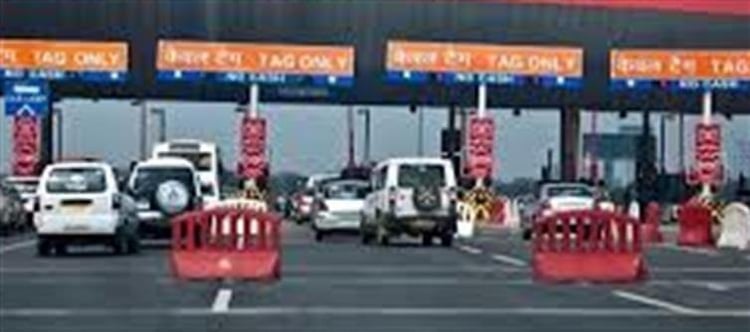

The indian government’s long‑anticipated plan to transition all national highway toll plazas to a fully wallet PLATFORM' target='_blank' title='digital-Latest Updates, Photos, Videos are a click away, CLICK NOW'>digital payment system — eliminating cash payments entirely — has drawn both attention and concern from road users across the country. While the intent remains to modernize highway tolling, implementation challenges have delayed a smooth rollout in some areas. Here’s what you need to know. www.ndtv.com+1
📉 What Is Happening With Cashless Toll Collection?
The National Highways Authority of india (NHAI) has mandated that cash payments will no longer be accepted at toll plazas nationwide. Instead, all tolls must be paid through wallet PLATFORM' target='_blank' title='digital-Latest Updates, Photos, Videos are a click away, CLICK NOW'>digital methods such as:
· FASTag (RFID‑powered electronic toll collection), and
· UPI‑based payments.
This is part of a broader initiative to improve toll collection speed, reduce congestion at booths, and increase transparency in toll revenue.
🚗 Expected Enforcement Start: april 1, 2026
📍 Where it Applies: All national highways and expressway toll plazas throughout India.
📌 Why the Cashless Shift Is Important
The government and transport authorities have put forward several reasons for the shift:
✅ Faster traffic flow: wallet PLATFORM' target='_blank' title='digital-Latest Updates, Photos, Videos are a click away, CLICK NOW'>digital toll collection reduces stopping times at booths. Republic World
✅ Reduced congestion: Eliminating cash lanes cuts long queues, especially during peak travel.
✅ Transparency & Efficiency: digital payments create clear records, limiting revenue leakages.
✅ Fuel & Emission Savings: Faster passage through tolls lowers idling, fuel use, and emissions.
This move aligns with India’s long‑term goal to become a cashless, wallet PLATFORM' target='_blank' title='digital-Latest Updates, Photos, Videos are a click away, CLICK NOW'>digital economy, leveraging UPI and FASTag as principal payment systems.
⏳ Why the Rollout Has Been Challenging
Despite official mandates, the transition hasn’t been seamless everywhere for several reasons:
🌀 1. Limited wallet PLATFORM' target='_blank' title='digital-Latest Updates, Photos, Videos are a click away, CLICK NOW'>digital Readiness
While FASTag penetration is high, not all drivers have active FASTag linked with sufficient balance. Some users must rely on UPI QR scans — which still require smartphone connectivity and reliable mobile internet.
📱 2. Network Issues
In remote or rural stretches, digital payments may be impacted by weak or unstable network connectivity, potentially causing delays or payment failures. Commuters may still face queues if payments don’t go through instantly.
👥 3. User Awareness and Transition
Not all motorists — especially occasional travelers, older drivers, or those unfamiliar with digital payments — are prepared for a cashless system, causing initial glitches or confusion.
These issues have, in effect, delayed a truly frictionless cashless toll experience and required authorities to adapt systems and educate users.
📊 Penalties & Rules Everyone Should Know
Under the new cashless regime:
· Cash is no longer accepted at toll plazas. Use of FASTag or UPI is mandatory.
· Vehicles without FASTag or a valid wallet PLATFORM' target='_blank' title='digital-Latest Updates, Photos, Videos are a click away, CLICK NOW'>digital payment method may face penalties, including higher toll charges or extra fees.
· If FASTag balance is insufficient, travelers may pay via UPI QR codes at toll lanes, but they must have a working smartphone and connectivity.
Authorities have advised commuters to ensure their FASTag accounts are active, linked with a bank, and sufficiently funded before setting out on long journeys.
📌 What This Means for Road Users
💡 Benefits
· Faster highway travel and reduced stoppage time
· Clear wallet PLATFORM' target='_blank' title='digital-Latest Updates, Photos, Videos are a click away, CLICK NOW'>digital record of payments
· Reduced cash handling and related errors
⚠️ Challenges
· Need for reliable internet connectivity
· Preparation required for wallet PLATFORM' target='_blank' title='digital-Latest Updates, Photos, Videos are a click away, CLICK NOW'>digital payment adoption
· Potential initial delays at toll plazas
Motorists are encouraged to carry a functional UPI app as a backup in case FASTag payment fails due to technical issues.
📈 The Road Ahead
India is also advancing toward AI‑based toll collection systems and multi‑lane free flow highways, which could eventually eliminate toll booths altogether by allowing vehicles to pass through without stopping — while fees are recorded digitally from overhead sensors and cameras. This vision may be fully implemented by the end of 2026.
🧠 Conclusion
India’s push to digital‑only highway toll payments marks a significant modernization of road infrastructure — promising smoother travel, reduced congestion, and a fully transparent toll system. However, initial rollout challenges — from connectivity constraints to user readiness — have delayed a perfectly seamless cashless transition. Continued improvements in technology and user education are key to making this wallet PLATFORM' target='_blank' title='digital-Latest Updates, Photos, Videos are a click away, CLICK NOW'>digital shift a success for all highway users.
Disclaimer:
The views and opinions expressed in this article are those of the author and do not necessarily reflect the official policy or position of any agency, organization, employer, or company. All information provided is for general informational purposes only. While every effort has been made to ensure accuracy, we make no representations or warranties of any kind, express or implied, about the completeness, reliability, or suitability of the information contained herein. Readers are advised to verify facts and seek professional advice where necessary. Any reliance placed on such information is strictly at the reader’s own risk.
 click and follow Indiaherald WhatsApp channel