


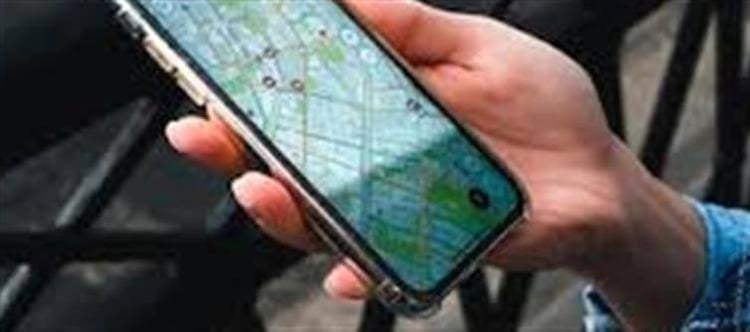

Imagine navigating a new city without constantly staring at your phone screen. Thanks to the latest AI innovations, that vision is now becoming reality. Maps are evolving from static displays into interactive, voice-guided companions that can make travel smoother, safer, and more enjoyable.
AI-Powered Navigation: The Next Frontier
Traditional GPS maps have long helped travelers find directions, but they lack real-time interactivity and personalized guidance. With AI integration, maps can now talk to users, offering spoken directions, tips, and recommendations on the go. Travelers can ask questions like:
· “Where’s the nearest coffee shop?”
· “Which route avoids traffic right now?”
· “Any must-see attractions nearby?”
The AI understands natural language, making the experience intuitive and hands-free—a game-changer for busy or multitasking travelers.
Personalized Recommendations in Real Time
Beyond navigation, AI-powered maps can customize suggestions based on individual preferences. For example, if you love art galleries or local cuisine, the AI can recommend nearby options aligned with your interests. This personal touch makes exploring new cities feel less like guesswork and more like having a local guide in your pocket.
Accessibility and Safety Benefits
Talking maps are especially beneficial for:
· Visually impaired travelers, who can now navigate more independently.
· Solo travelers, offering real-time safety alerts and route updates.
· Drivers and cyclists, allowing for hands-free guidance without distraction.
By providing audio cues instead of visual-only directions, AI maps reduce the risk of accidents caused by distracted navigation.
Seamless Integration with Smart Devices
These AI maps aren’t limited to smartphones. They can be integrated with:
· Smartwatches, offering gentle audio cues directly to your wrist.
· Car infotainment systems, providing spoken directions without taking eyes off the road.
· Smart glasses or earbuds, delivering immersive navigation for pedestrians.
This flexibility makes AI navigation accessible wherever you are, whether walking through a busy market or driving through unfamiliar terrain.
The Future of Travel: More than Directions
The potential of talking maps extends beyond just getting from point A to point B. Future updates may include:
· Historical context about landmarks as you pass by.
· Live cultural tips, like local events or restaurant specials.
· Interactive travel planning, allowing travelers to ask, modify, and optimize their route in real time.
AI-powered maps are transforming travel from a purely functional experience into a dynamic, immersive journey.
Conclusion
The era of static, text-based maps is ending. With AI-driven talking maps, travelers now have a smart, interactive companion ready to guide, inform, and enhance every trip. Whether exploring a new city, driving cross-country, or wandering off the beaten path, AI navigation promises a safer, more personalized, and far more enjoyable adventure.
Disclaimer:
The views and opinions expressed in this article are those of the author and do not necessarily reflect the official policy or position of any agency, organization, employer, or company. All information provided is for general informational purposes only. While every effort has been made to ensure accuracy, we make no representations or warranties of any kind, express or implied, about the completeness, reliability, or suitability of the information contained herein. Readers are advised to verify facts and seek professional advice where necessary. Any reliance placed on such information is strictly at the reader’s own risk.
 click and follow Indiaherald WhatsApp channel