
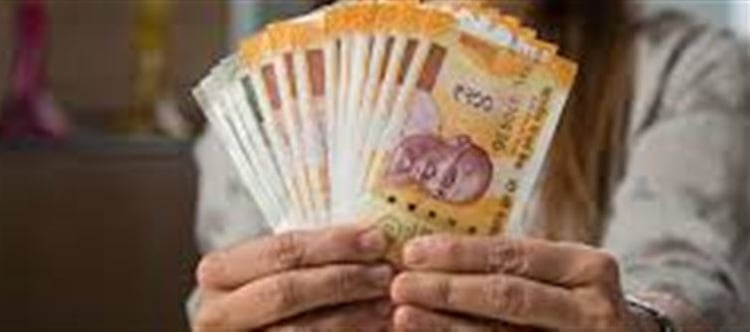


The Mahila Rojgar Yojana (Women’s Employment Scheme) is a government initiative aimed at empowering women by providing financial assistance and promoting their participation in economic activities. This scheme provides women with a ₹10,000 installment to support their livelihoods and entrepreneurship. However, many beneficiaries are wondering about the timing of the next payment and the process of receiving it. Let’s break it down:
1. What Is the Mahila Rojgar Yojana?
The Mahila Rojgar Yojana is a government-backed initiative designed to improve the economic status of women by providing them with financial support for self-employment and business development. The scheme aims to:
· Promote women’s entrepreneurship and self-reliance.
· Provide financial aid for small businesses, skill development, and economic stability.
Under this scheme, women across india are eligible to receive a ₹10,000 installment. These funds are often credited directly into their bank accounts or Jan Dhan accounts, depending on the type of registration.
2. When Will the Next ₹10,000 Installment Be Sent?
If you are one of the women awaiting your next installment, here is what you need to know about the schedule and process:
· Expected Payment Date: The government usually disburses the next installment of ₹10,000 every 3-6 months depending on the region and the specific program guidelines.
· Next Disbursement: Based on previous trends and official updates, the next round of payments is expected to be sent by the end of this month (October), though there may be slight delays depending on the district or state government processes.
3. How Will the ₹10,000 Be Transferred?
The government aims to make the disbursement process as smooth and transparent as possible:
· Bank Accounts: The payment will be credited directly to the linked bank account. Most beneficiaries who registered under the scheme through their Aadhaar-linked bank accounts or Jan Dhan accounts will receive the funds in their accounts.
· Mobile and bank Notifications: Once the installment is transferred, beneficiaries will receive a bank message or SMS notification confirming the deposit.
If you’ve yet to link your account or are facing issues receiving the funds, make sure your Aadhaar and bank account details are correctly linked to your registration.
4. Eligibility for Mahila Rojgar Yojana Installments
To qualify for the ₹10,000 installment under the Mahila Rojgar Yojana, the following conditions must be met:
· Registration: women must have registered for the scheme through local authorities or self-help groups (SHGs).
· Economic Criteria: The scheme is usually targeted at women from economically weaker sections of society or women running small-scale businesses.
· Valid bank Account: A valid bank account, preferably Aadhaar-linked, is mandatory for receiving the funds.
5. How to Track Your Payment?
If you are wondering how to track your payment or confirm that it has been successfully sent:
1. Bank Passbook or Online bank Account: You can check your bank passbook or log in to your net banking to view the deposit details.
2. Official Portal: The Ministry of women and Child Development has also provided an online platform where beneficiaries can check the status of their payment. Check the official website for any updates or notifications about disbursement dates.
3. Helpline Numbers: You can also contact the local authorities or the Helpline for Mahila Rojgar Yojana in case of any issues or delays.
6. Why Might There Be Delays in Payment?
While the government aims to disburse payments regularly, there can sometimes be delays. Some common reasons include:
· Account Mismatch: If there is any mismatch in the beneficiary’s bank account details or Aadhaar information, the payment may be delayed.
· Verification Delays: Sometimes, verification at the local level may take longer, leading to a delay in transferring funds.
· State-Specific Processes: Different states or districts may have varying timelines and administrative processes, leading to potential delays in disbursement.
7. What Should You Do if You Haven’t Received Your Payment?
If you have not received the ₹10,000 installment on time, here’s what you can do:
1. Check Your bank Account: Verify that your bank account is correctly linked and that there are no issues with your Aadhaar details.
2. Contact local Authorities: Reach out to the district office or local women’s welfare department to inquire about the delay.
3. Check Online: Visit the official website or the designated portal to track your payment status and look for any notifications or updates.
4. Helpline Support: The government often provides helplines to address payment-related issues. Calling the support number can help resolve any discrepancies or delays.
8. How the Mahila Rojgar Yojana Helps Empower Women
The Mahila Rojgar Yojana plays a significant role in empowering women and improving their economic standing. Some key benefits of the scheme include:
· Financial Independence: women can use the ₹10,000 installment to boost their businesses, start small-scale enterprises, or support their families..jpg)
· Promoting Self-Employment: The scheme encourages women to explore entrepreneurship and become self-reliant.
· Skill Development: In many cases, the scheme also offers women access to training programs to help them build better skills for running businesses or working in various industries.
9. Final Thoughts: Stay Informed and Prepared
If you're one of the many women eagerly awaiting your ₹10,000 installment, don't worry. The government will likely release the next payment in the coming days. Be sure your bank account details are updated and linked with your Aadhaar to avoid any delays.
With continuous efforts to streamline the process, the Mahila Rojgar Yojana is making it easier for women across india to become more financially independent, self-reliant, and empowered. Stay patient, and if you encounter any issues, don't hesitate to reach out to your local officials or the support helpline for assistance.
Disclaimer:
The views and opinions expressed in this article are those of the author and do not necessarily reflect the official policy or position of any agency, organization, employer, or company. All information provided is for general informational purposes only. While every effort has been made to ensure accuracy, we make no representations or warranties of any kind, express or implied, about the completeness, reliability, or suitability of the information contained herein. Readers are advised to verify facts and seek professional advice where necessary. Any reliance placed on such information is strictly at the reader’s own risk.
 click and follow Indiaherald WhatsApp channel