



india receives one of the highest volumes of spam and scam calls in the world — financial fraud, phishing, fake job offers, courier scams, loan app harassment, you name it. For years, consumers have been left to fend for themselves using crowdsourced apps like Truecaller, while scammers exploit loopholes and telecom operators shrug.
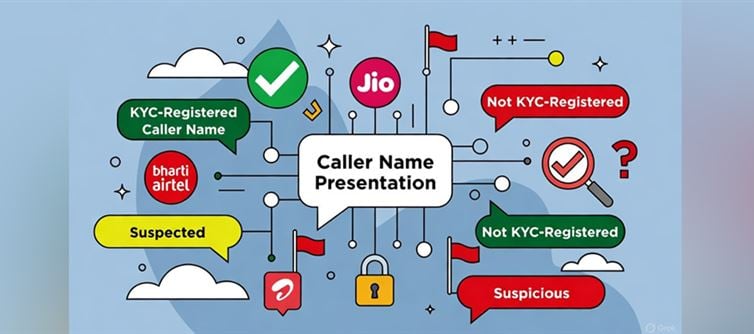
Now, the DoT is finally firing its biggest shot yet: a mandatory Caller Name Presentation (CNAP) system that forces every indian phone number to reveal its KYC-verified name on incoming calls. No more “Unknown Numbers.” No more guessing. No more blind trust.
But with massive power comes massive controversy — privacy, gender safety, industry concerns, and a government determined to push ahead anyway.
Here’s the ruthless, unfiltered breakdown.
💥 What Mandatory KYC Caller Name Display REALLY Means for India
1. Scam Callers Just Lost Their Biggest Weapon: Anonymity
For decades, scammers thrived because victims answered calls from unknown numbers. Now, every incoming call will flash the official KYC name — the one used when purchasing the SIM.
Fake names? Harder.
Burner numbers? Useless.
Fraudsters pretending to be bank agents? Instantly exposed.
This is the closest india has come to killing spam at the source.
2. DoT Wants This ON by Default — No Opt-In, No Excuses
TRAI recommended that users should voluntarily opt in to CNAP.
DoT said: No. Flip the switch for everyone.
CNAP will be enabled automatically for nearly every smartphone in India.
Users may get the choice to turn off seeing other people’s names — but hiding your own name? That privilege is reserved only for ministers, intelligence agencies, and top officials.
This is not a gentle rollout — it’s an assertive national policy shift.
3. Truecaller Just Got Outplayed by the Government
Truecaller identifies numbers using crowdsourced data — which is often inaccurate, biased, or outdated.
CNAP uses the official KYC database of telecom operators.
This means:
No guessing
No mislabelled names
No dependency on third-party apps
For the first time, india will have a government-backed caller ID ecosystem more accurate than any app in the world.
4. Privacy Groups Are Sounding the Alarm — Especially for Women
The Internet Freedom Foundation and women’s safety groups warn that mandatory name-display increases risks for:
women using alternate names for safety
survivors of abuse avoiding stalkers
individuals receiving calls from harassers
people who do not want their legal name displayed publicly
DoT’s response?
Caller identity is shown only when YOU call someone — not when they search your number.
But that hasn’t stopped a wave of concern.
This is the biggest privacy-vs-security debate since Aadhaar.
5. industry Bodies Are Nervous — Because Users Losing Anonymity Means More Complaints
Telecom players like Airtel, Jio, and Vi support anti-spam measures — but they also fear backlash from users who:
do not want their legal names shown
use phones for anonymous work purposes
share numbers on classifieds
protect identities for personal safety
DoT appears unmoved.
The government wants fraud reduction, even if it means friction.
6. india Will Join a Tiny List of Nations With Mandatory Caller Name Systems — But With a Radical Twist
Countries like qatar have CNAP —
BUT only for corporate callers.
india is going nuclear:
Every caller. Every number. Every incoming call.
This is one of the most aggressive anti-spam frameworks ever attempted globally — and the world will be watching.
7. haryana Pilot Is Underway — Testing Whether Telecom Systems Can Handle Real-Time Name Retrieval
Operators must fetch the KYC name, verify it, and display it within seconds of a call arriving.
This means massive backend upgrades.
If Haryana’s pilot succeeds, India’s entire telecom infrastructure will undergo its biggest transformation since 4G.
8. The Future: Fewer Spam Calls, More Transparency — But Also New Privacy Risks
If CNAP works, india will see:
a sharp drop in scam calls
fewer fraud victims
better call screening
improved trust in unknown numbers
But the risks include:
exposure of legal names to strangers
gender-based harassment
targeted calling
identity misuse
This is a high-stakes balancing act between safety and privacy — and DoT is choosing safety first.
⚡ FINAL VERDICT: india Just Declared war on Spam — But It Comes With a Price
CNAP could finally end India’s scam-call epidemic.
It could also reshape the privacy landscape forever.
One thing is certain:
spam callers, fraudsters, and phone scammers are about to face a nightmare — and indian consumers will finally get power back in their hands.
 click and follow Indiaherald WhatsApp channel