


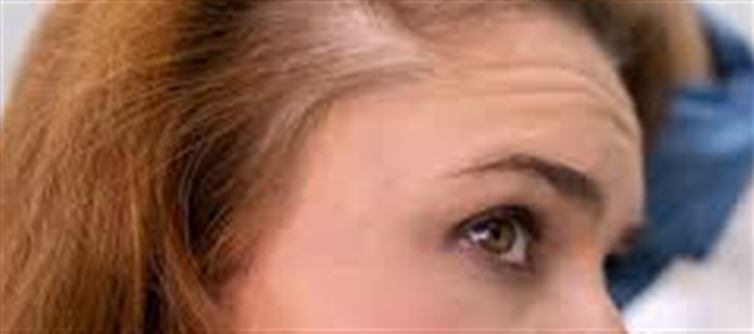

Turning 40 brings changes not just in life but also in your hair health. Many notice thinning, hair loss, or texture changes. Here’s what experts want you to know and how to manage it:
1. Thinning Hair Becomes Common 💇♀️
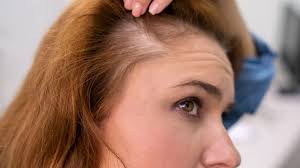
· Hair follicles shrink with age, leading to thinner strands.
· women may notice diffused thinning, while men can develop receding hairlines or bald patches.
2. Slower Hair Growth 🌱
· After 40, hair grows more slowly due to reduced cell activity.
· Regular trimming, scalp massage, and proper nutrition can help maintain healthy growth.
3. Increased Hair Breakage and Dryness ⚡
· Sebum production decreases, making hair dry, brittle, and prone to split ends.
· Hydrating shampoos, conditioners, and hair oils can restore moisture and resilience.
4. Hormonal Changes Affect Hair ⚖️
· Hormonal shifts, especially during menopause in women, can trigger hair thinning or shedding.
· Men may face androgenic alopecia due to changes in testosterone and DHT levels.
5. Grey Hair Becomes Inevitable 🌪️
· Melanin production slows, causing hair to turn grey or white.
· Hair dye or natural alternatives can help manage the cosmetic aspect.
6. Scalp health Needs Extra Care 🧴
· Age increases susceptibility to dandruff, itchiness, and scalp inflammation.
· Gentle cleansing, exfoliating scalp treatments, and avoiding harsh chemicals are essential.
✅ Hair Care Tips After 40:
· Maintain a balanced diet rich in protein, vitamins, and minerals.
· Avoid excessive heat styling and chemical treatments.
· Include scalp massages and hydrating treatments in your routine.
Bottom Line:
Hair naturally changes after 40 due to aging, hormones, and lifestyle factors. Understanding these changes and adapting your hair care routine can help maintain healthy, strong, and beautiful hair well into your 40s and beyond.
Disclaimer:
The views and opinions expressed in this article are those of the author and do not necessarily reflect the official policy or position of any agency, organization, employer, or company. All information provided is for general informational purposes only. While every effort has been made to ensure accuracy, we make no representations or warranties of any kind, express or implied, about the completeness, reliability, or suitability of the information contained herein. Readers are advised to verify facts and seek professional advice where necessary. Any reliance placed on such information is strictly at the reader’s own risk.
 click and follow Indiaherald WhatsApp channel