


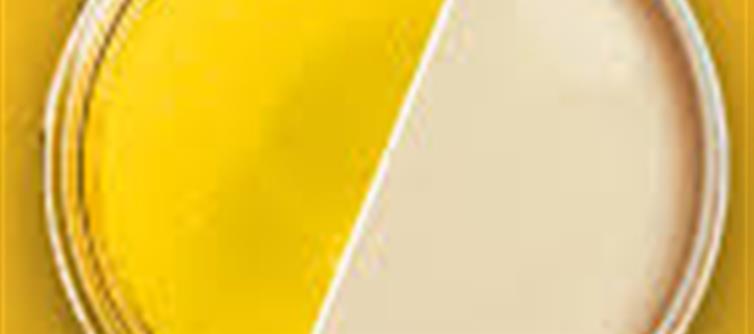

Ghee, a staple in indian kitchens, is clarified butter made from milk. Depending on whether it’s made from cow milk or buffalo milk, its taste, composition, and health impact differ.
1. Color, Taste, and Aroma
Feature
Cow Ghee
Buffalo Ghee
Color
Golden yellow
Whitish
Taste
Rich, slightly nutty
Creamy, denser taste
Aroma
Stronger, aromatic
Milder
2. Nutritional Composition
Nutrient
Cow Ghee
Buffalo Ghee
Fat Content
Lower (approx. 60–65%)
Higher (approx. 65–70%)
Cholesterol
Slightly lower
Slightly higher
Calories
Lower
Higher
Vitamins
Rich in vitamin a & K2
Lower vitamin a but higher calcium content
3. health Benefits Comparison
· Cow Ghee:
o Easier to digest, especially for people with sensitive stomachs.
o Rich in omega-3 fatty acids and CLA (conjugated linoleic acid), which may help reduce cholesterol.
o Supports heart health, improves immunity, and promotes mental clarity.
· Buffalo Ghee:
o Creamier and heavier; provides more energy and is suitable for weight gain.
o Richer in saturated fats, so should be consumed in moderation.
o Beneficial for children, elderly, or those needing more calorie intake.
4. Which Has Less Cholesterol?
· cow ghee generally has slightly less cholesterol than buffalo ghee, making it a better choice for those concerned about heart health or high cholesterol.
5. Which is Better for Health?
· For heart health, weight management, and easier digestion: cow ghee.
· For high-energy needs, weight gain, or cooking rich dishes: Buffalo ghee.
✅ Tip:
Moderation is key. 1–2 teaspoons a day of either ghee can provide health benefits without overloading on fats. Pair it with a balanced diet to get maximum benefits.
Disclaimer:
The views and opinions expressed in this article are those of the author and do not necessarily reflect the official policy or position of any agency, organization, employer, or company. All information provided is for general informational purposes only. While every effort has been made to ensure accuracy, we make no representations or warranties of any kind, express or implied, about the completeness, reliability, or suitability of the information contained herein. Readers are advised to verify facts and seek professional advice where necessary. Any reliance placed on such information is strictly at the reader’s own risk..jpg)
 click and follow Indiaherald WhatsApp channel