


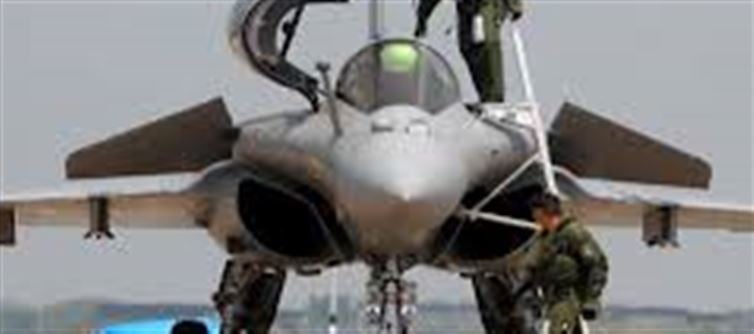

1. Turning Point in India’s fighter Jet Strategy 🔄
India’s ambitious fighter jet program has reached a strategic crossroads. While the Rafale deal with France was a landmark move, the focus is now shifting toward homegrown fighter aircraft development.
2. Rafale Expansion Paused? ⚠️
· Earlier, the government was keen on expanding its Rafale fleet to bolster the indian air Force (IAF).
· Current reports suggest a slowdown in further Rafale acquisitions, signaling a pivot toward indigenous solutions.
3. The “Desi Rafale” Vision 🇮🇳
· india is accelerating domestic fighter jet projects, including HAL’s tejas Mk2 and the Advanced Medium Combat Aircraft (AMCA) program.
· The goal is to reduce dependency on foreign vendors, develop strategic autonomy, and enhance Make in india capabilities in defense.
4. Strategic & Economic Motivations 💡
· Building indigenous jets will cut long-term costs compared to importing foreign aircraft.
· It will also strengthen India’s defense manufacturing ecosystem, creating jobs and boosting technological expertise.
5. France-India Defense Relations 🔗
· While india continues to maintain defense ties with France, future fighter aircraft acquisitions are likely to be limited.
· The Modi government’s strategy appears to focus on blending imported expertise with domestic development to achieve self-reliance in critical defense technology.
6. Looking Ahead: The AMCA Era 🚀
· The Advanced Medium Combat Aircraft (AMCA) could emerge as India’s next-generation “Desi Rafale”, providing state-of-the-art capabilities for decades.
· This pivot represents a major strategic shift for India’s air power and its defense industrial base.
Disclaimer:
The views and opinions expressed in this article are those of the author and do not necessarily reflect the official policy or position of any agency, organization, employer, or company. All information provided is for general informational purposes only. While every effort has been made to ensure accuracy, we make no representations or warranties of any kind, express or implied, about the completeness, reliability, or suitability of the information contained herein. Readers are advised to verify facts and seek professional advice where necessary. Any reliance placed on such information is strictly at the reader’s own risk.
 click and follow Indiaherald WhatsApp channel