


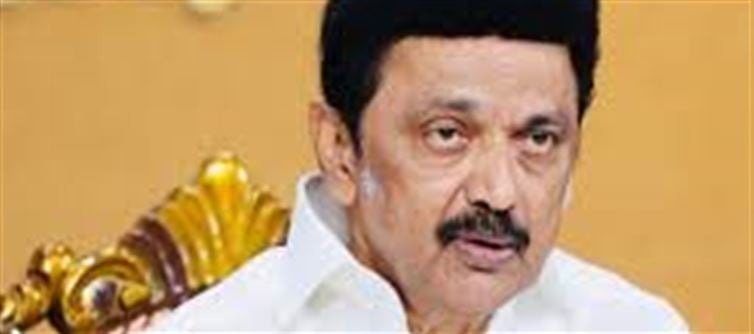

The Dravida Munnetra Kazhagam (DMK) has formally raised objections in the Lok Sabha regarding the proposed change of name for the 100-Day Employment Guarantee Scheme. The party has submitted an official notice expressing its disapproval, emphasizing the significance of the scheme’s original identity and its direct connection with the public.
Details of the Parliamentary Notice
The notice, submitted by DMK Members of Parliament, highlights that the circular regarding the bill and proposed name change has been distributed to all MPs. The party has urged lawmakers to consider the implications of renaming the scheme and the potential confusion it could create among beneficiaries.
The DMK argues that the scheme, known for providing employment opportunities to rural and marginalized communities, has gained recognition and trust under its existing name. Changing it arbitrarily could dilute its brand and reduce public awareness.
Political and Public Concerns
The party pointed out that such a renaming may appear politically motivated and could undermine the welfare intent of the scheme. The DMK has called for discussions in the house to ensure that any modifications maintain transparency, accessibility, and public interest.
DMK leaders stressed that employment schemes are crucial lifelines for millions, and their continuity and recognition are as important as the benefits they provide.
Next Steps in Parliament
The circular has been provided to all MPs, setting the stage for a debate and possible intervention during parliamentary sessions. The DMK intends to press for a reconsideration of the name change, emphasizing the need to retain the scheme’s original identity to maintain its credibility and public trust.
Conclusion
By submitting a notice in the lok sabha, the DMK has signaled its strong opposition to the renaming of the 100-Day Employment Scheme. The move reflects the party’s broader strategy to protect welfare programs that directly affect the lives of ordinary citizens, while ensuring that political decisions do not compromise public recognition and accessibility of such initiatives.
Disclaimer:
The views and opinions expressed in this article are those of the author and do not necessarily reflect the official policy or position of any agency, organization, employer, or company. All information provided is for general informational purposes only. While every effort has been made to ensure accuracy, we make no representations or warranties of any kind, express or implied, about the completeness, reliability, or suitability of the information contained herein. Readers are advised to verify facts and seek professional advice where necessary. Any reliance placed on such information is strictly at the reader’s own risk.
.jpg)
 click and follow Indiaherald WhatsApp channel