


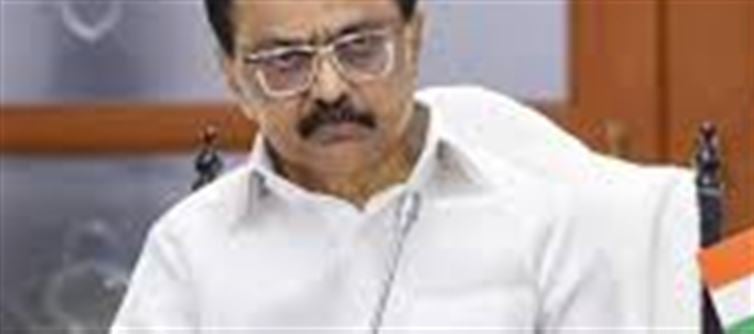

Tamil Nadu chief minister M.K. Stalin has raised pointed questions regarding recent developments in the rural employment sector, asking whether the late AIADMK leader J. Jayalalithaa would have approved of the current policies. Stalin’s remarks come amid debates over changes or perceived shortcomings in employment schemes for rural workers.
Stalin Questions Policy Decisions
During a public address, stalin questioned whether the modifications or implementation of certain rural employment programs align with the principles and standards set by previous administrations, particularly that of Jayalalithaa, who was known for her focus on welfare schemes.
He suggested that current measures may not fully serve the intended beneficiaries or could undermine the effectiveness of longstanding programs, prompting citizens and political observers to reflect on the contrast between past and present governance approaches.
Focus on Rural Employment
The chief minister highlighted the importance of rural employment initiatives, which provide vital work and financial support to marginalized communities. He emphasized that any changes to these schemes should prioritize transparency, effectiveness, and public benefit, rather than political considerations or cosmetic alterations.
Political Implications
Stalin’s statement also carries a political undertone, indirectly critiquing the opposition for policies he believes may not be in the best interest of rural workers. By invoking Jayalalithaa’s legacy, he appeals to the public’s memory of welfare-focused governance and underscores the need for accountable and impactful administration.
Conclusion
Through his pointed question – “Would jayalalithaa have agreed to this?” – chief minister M.K. stalin has spotlighted concerns over the management and implementation of rural employment schemes. His remarks aim to remind policymakers and citizens alike that effective rural welfare programs are a cornerstone of public trust and social development.
Disclaimer:
The views and opinions expressed in this article are those of the author and do not necessarily reflect the official policy or position of any agency, organization, employer, or company. All information provided is for general informational purposes only. While every effort has been made to ensure accuracy, we make no representations or warranties of any kind, express or implied, about the completeness, reliability, or suitability of the information contained herein. Readers are advised to verify facts and seek professional advice where necessary. Any reliance placed on such information is strictly at the reader’s own risk..jpg)
 click and follow Indiaherald WhatsApp channel