


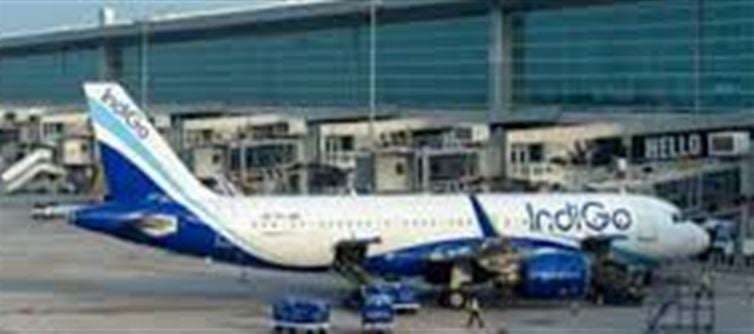

Recent disruptions in Indigo flights have highlighted the roles of various aviation authorities in India. Flight cancellations continue to affect passengers, citing reasons such as new pilot duty rules, staffing shortages, and operational planning issues. To understand why such disruptions happen and which authorities are responsible, it’s important to distinguish between the DGCA, airport Authority of india (AAI), and BCAS.
1. DGCA (Directorate General of Civil Aviation)
Role:
The DGCA is the regulatory body for civil aviation in India. Its primary responsibility is to ensure safety and adherence to rules and standards for both commercial and non-commercial aviation operations.
Key Functions:
Regulates aircraft operations, airworthiness, and pilot licensing.
Sets pilot duty hours and safety protocols (recent changes to pilot duty rules are under its jurisdiction).
Conducts investigations into accidents or safety violations.
Approves airline operations and flight schedules.
Example:
In the current indigo flight scenario, the DGCA is involved in monitoring pilot duty hours, which directly affects flight operations and crew scheduling.
2. airport Authority of india (AAI)
Role:
The AAI is responsible for the management, operation, and development of airports across India. It focuses on airport infrastructure, air traffic control, and passenger services.
Key Functions:
Manages air traffic control (ATC) at airports and en route.
Develops and maintains airport facilities like terminals, runways, and taxiways.
Handles airport operations including passenger services, security coordination, and navigation aids.
Ensures efficient and safe landing and takeoff operations.
Example:
If flights are delayed due to runway congestion, ATC issues, or airport infrastructure problems, the AAI is the responsible authority.
3. BCAS (Bureau of Civil Aviation Security)
Role:
The BCAS is responsible for civil aviation security in India. It sets standards and monitors the implementation of security protocols at airports and in-flight operations.
Key Functions:
Implements aviation security measures at airports, airlines, and cargo handling facilities.
Conducts inspections and audits of airport and airline security practices.
Trains and certifies security personnel for airport and airline operations.
Investigates security breaches or threats.
Example:
BCAS would be involved if flight disruptions were related to security threats, passenger screening issues, or in-flight safety concerns.
Key Differences Between DGCA, AAI, and BCAS
Authority
Primary Role
Key Responsibility
Focus Area
DGCA
Aviation regulator
Pilot licensing, aircraft safety, flight operation rules
Air safety and regulations
AAI
Airport operator
Airport management, ATC, infrastructure
Airport operations and air traffic
BCAS
Security regulator.jpg)
Aviation security standards, inspections
Security of passengers, aircraft, and airports
Why the indigo Flight Disruption Happened
DGCA: New pilot duty rules reduced available pilot hours.
Indigo: Planning errors and crew shortage exacerbated the problem.
AAI & BCAS: Not directly responsible in this case, but ensure airport operations and security remain unaffected during disruptions.
Conclusion
Understanding the roles of DGCA, AAI, and BCAS helps clarify why certain issues affect airlines differently. While DGCA regulates pilots and flight safety, AAI manages airports and air traffic, and BCAS handles security. Coordination among these agencies is crucial for smooth flight operations, but airlines also bear responsibility for proper crew management and planning.
Disclaimer:
The views and opinions expressed in this article are those of the author and do not necessarily reflect the official policy or position of any agency, organization, employer, or company. All information provided is for general informational purposes only. While every effort has been made to ensure accuracy, we make no representations or warranties of any kind, express or implied, about the completeness, reliability, or suitability of the information contained herein. Readers are advised to verify facts and seek professional advice where necessary. Any reliance placed on such information is strictly at the reader’s own risk.
 click and follow Indiaherald WhatsApp channel