



Honey is often adulterated with sugar syrup, glucose, or artificial sweeteners to increase volume and reduce cost. While laboratory testing is the most accurate method, there are several simple home tests that can help you check the purity of honey.
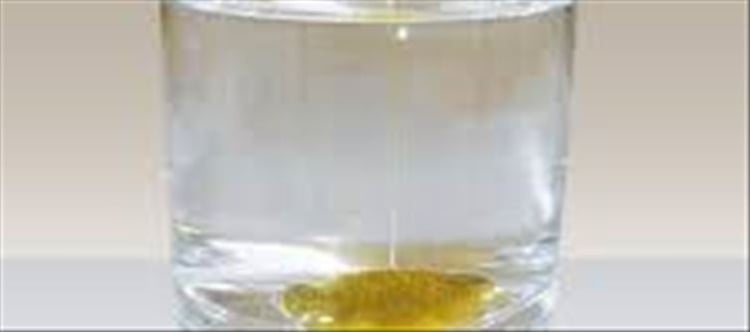
🧪 1. The Water Test (Most Common)
How to do it:
Fill a glass with water
Add a spoonful of honey
Observation:
Pure honey: Sinks directly to the bottom and stays intact
Adulterated honey: Dissolves or spreads quickly in water
👉 Reason: Pure honey is denser and less soluble in cold water.
🔥 2. The Flame Test
How to do it:
Dip a cotton wick or matchstick in honey
Try to light it
Observation:
Pure honey: Burns steadily (contains little moisture)
Impure honey: Does not burn well due to added water or syrup
⚠️ Use caution while performing this test.
🧻 3. Blotting Paper Test
How to do it:
Put a drop of honey on blotting paper or tissue
Observation:
Pure honey: Does not spread or soak quickly
Adulterated honey: Spreads or leaves a wet mark
🐝 4. Thumb Test
How to do it:
Put a drop of honey on your thumb
Check how it behaves
Observation:
Pure honey: Stays in place and is sticky
Fake honey: Spreads easily or feels watery
🍞 5. Bread Test
How to do it:
Spread honey on a slice of bread
Leave for 5–10 minutes
Observation:
Pure honey: Hardens or keeps bread firm
Adulterated honey: Makes bread soggy due to moisture content
🧊 6. Crystallization Test (Natural Behavior)
Pure honey may crystallize over time, especially in cold conditions
Adulterated honey often stays liquid for too long due to added syrups
👉 Important: Crystallization is not a sign of spoilage—it is natural.
🧠 7. Taste and Aroma Check
Pure honey:
Mild floral aroma
Rich, layered sweetness
Slight throat warmth when swallowed
Adulterated honey:
Overly sweet or artificial taste
Weak aroma or chemical aftertaste
⚠️ Limitations of home Tests
While these methods are useful:
They are not 100% accurate
Some modern adulterants can pass basic tests
Only lab testing can confirm purity definitively
🛒 Tips to Buy Pure Honey
Buy from trusted brands or certified organic sources
Check for FSSAI certification (in India)
Prefer raw, unprocessed honey when possible
Avoid extremely cheap “too good to be true” products
🧠 Conclusion
Identifying pure honey at home is possible using simple tests like the water, flame, and blotting paper methods, but none are completely foolproof. The safest approach is combining these tests with trusted sourcing and certification checks.
Disclaimer:
The views and opinions expressed in this article are those of the author and do not necessarily reflect the official policy or position of any agency, organization, employer, or company. All information provided is for general informational purposes only. While every effort has been made to ensure accuracy, we make no representations or warranties of any kind, express or implied, about the completeness, reliability, or suitability of the information contained herein. Readers are advised to verify facts and seek professional advice where necessary. Any reliance placed on such information is strictly at the reader’s own risk.
 click and follow Indiaherald WhatsApp channel