


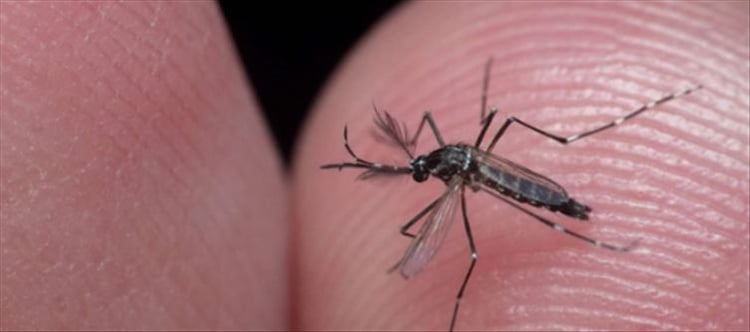

The animal kingdom, with its vast array of species, offers both endearing companions and, at times, perilous threats to human life. Animal bites account for millions of deaths annually, and among them, a surprising culprit emerges as a silent and widespread menace. World Atlas has unveiled a report delving into human fatalities caused by various animals, unravelling a startling revelation.
In a year, the statistics unfold a sombre narrative – 10 formidable sharks, 10 wolf-like creatures, 100 lions, 100 elephants, 500 hippopotamuses, 1000 crocodiles, 2000 tapeworms, 2500 stomach worms, 10,000 snails, and 10,000 assassin bugs claim lives. However, the most staggering revelation pertains to a tiny yet lethal adversary – the unassuming mosquito.
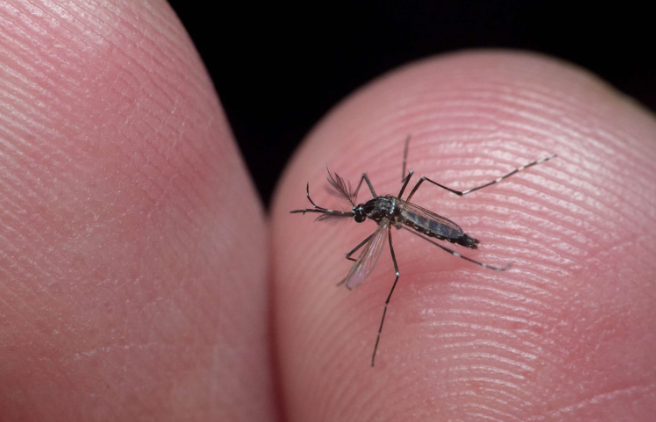
Mosquitoes, ubiquitous in human habitats worldwide, play a role in the demise of a staggering 7,25,000 people each year. Surpassing the fatalities caused by larger predators such as dogs, responsible for 25,000 deaths, and snakes, claiming 50,000 lives, mosquitoes emerge as the deadliest contributors to human mortality. Intriguingly, the majority of these deaths result from diseases transmitted by these minuscule insects.
While dramatic encounters with large animals can lead to immediate fatalities or necessitate prompt medical attention, the insidious nature of mosquitoes lies in the diseases they carry. Beyond the limelight, these tiny creatures become inadvertent harbingers of death, causing widespread health crises that often go unnoticed. The report serves as a poignant reminder of the overlooked perils posed by seemingly inconspicuous members of the animal kingdom and underscores the importance of addressing the health implications associated with their presence.
 click and follow Indiaherald WhatsApp channel