


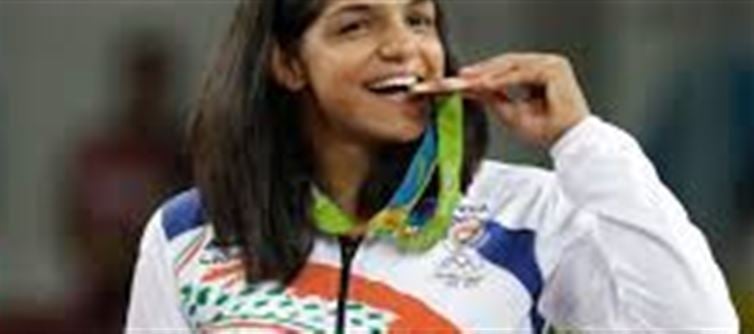

If you’ve ever watched the olympics, you’ve probably noticed a curious habit: athletes biting their medals during the victory photo. But is it just a quirky pose, or is there more to it? Here’s the full story:
1. A tradition That Began with Gold
· Historically, gold coins were tested by biting to check their authenticity. Real gold is soft and leaves a bite mark, while fake metals are harder.
· This practice dates back centuries, and the habit carried over into modern times with gold medals, even though today’s Olympic gold medals are mostly silver with a gold plating.
2. Media and Photography Influence
· The iconic medal-biting photos became popular because photographers love dynamic and memorable poses.
· Athletes bite their medals for the camera, creating a fun, celebratory image that fans and media love.
· Over time, it became a symbolic gesture of victory rather than an actual test of metal.
3. Symbolism of Triumph
· Biting the medal can represent personal achievement and joy, a playful way to “taste victory.”
· It shows emotion and excitement, giving fans a glimpse of the athlete’s celebration in a fun, relatable way.
4. It’s Safe, Mostly
· Modern Olympic gold medals are not solid gold—they are primarily silver with a thin layer of gold.
· Biting them doesn’t damage the medal, and it has become a harmless and iconic ritual.
5. Fun Fact:
· Some athletes bite medals multiple times, while others refuse—there’s no rule, just tradition and media influence.
· Even during the Winter olympics or Paralympics, medal-biting is common across different sports, showing its universality.
In short: Olympic winners bite their medals because it’s a mix of historical tradition, media-friendly imagery, and a symbolic way to celebrate victory. It’s less about testing the metal and more about capturing a moment of triumph and joy.
Disclaimer:
The views and opinions expressed in this article are those of the author and do not necessarily reflect the official policy or position of any agency, organization, employer, or company. All information provided is for general informational purposes only. While every effort has been made to ensure accuracy, we make no representations or warranties of any kind, express or implied, about the completeness, reliability, or suitability of the information contained herein. Readers are advised to verify facts and seek professional advice where necessary. Any reliance placed on such information is strictly at the reader’s own risk.
.jpg)
 click and follow Indiaherald WhatsApp channel