


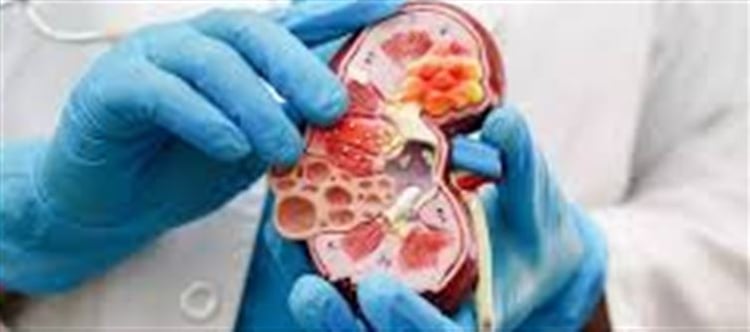

Kidneys play a crucial role in filtering waste, balancing fluids, and maintaining overall health. When they start to fail, your body often sends early warning signs—sometimes noticeable first thing in the morning. Recognizing these symptoms early can help you seek medical attention and prevent further damage.
1. Swelling Around Eyes and Face
Kidney damage can cause fluid retention, often visible as:
· Puffiness around the eyes upon waking
· Swollen face or cheeks
· Mild facial edema that improves during the day
Tip: Persistent morning puffiness warrants a kidney function test.
2. Dark or Foamy Urine
Changes in urine can be an early indicator:
· Foamy urine may signal excess protein (proteinuria)
· Dark-colored urine can indicate blood in urine (hematuria)
· Frequent urination, especially at night (nocturia)
Tip: Keep track of urine changes and show them to your doctor.
3. Morning Fatigue or Weakness
Kidneys failing to filter waste efficiently can cause:
· Accumulation of toxins in the blood (uremia)
· Persistent morning fatigue even after adequate sleep
· General weakness and difficulty concentrating
Tip: If fatigue is unexplained and recurring, get kidney tests done.
4. Nausea or Loss of Appetite
Toxins building up due to impaired kidney function may lead to:
· Morning nausea or queasiness
· Reduced appetite
· Occasional vomiting in more advanced cases
Tip: Don’t ignore persistent nausea—it could be an early warning of kidney dysfunction.
5. Lower Back or Flank Pain
Pain or discomfort in the kidney area can be noticeable in the morning:
· Mild to moderate aching in the lower back or sides
· Pain may worsen when kidneys are inflamed or have stones
· Often accompanied by other urinary symptoms
Tip: Persistent flank pain requires a medical evaluation, including imaging if necessary.
Final Thoughts
Morning symptoms like puffiness, foamy urine, fatigue, nausea, or back pain can be early signs of kidney problems. Early detection is crucial, as timely treatment can prevent further damage. If you notice any of these symptoms consistently, schedule a kidney checkup with your doctor immediately.
Disclaimer:
The views and opinions expressed in this article are those of the author and do not necessarily reflect the official policy or position of any agency, organization, employer, or company. All information provided is for general informational purposes only. While every effort has been made to ensure accuracy, we make no representations or warranties of any kind, express or implied, about the completeness, reliability, or suitability of the information contained herein. Readers are advised to verify facts and seek professional advice where necessary. Any reliance placed on such information is strictly at the reader’s own risk.
.jpg)
 click and follow Indiaherald WhatsApp channel