


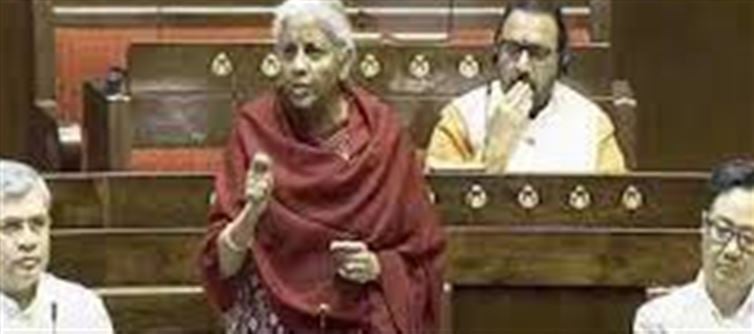

The Union Budget is one of the most important financial events in India. It is not just a set of numbers, but a detailed plan that outlines the government’s economic policies, revenue collection, and expenditure priorities for the coming financial year.
1. What is the Union Budget?
· The Union Budget is the annual financial statement presented by the Finance Minister of india in Parliament.
· It details:
o Revenue: How the government plans to earn through taxes, duties, and other sources
o Expenditure: How the government plans to spend on infrastructure, defense, education, health, subsidies, etc.
· Essentially, it acts as a blueprint for India’s economic direction.
2. Steps in Preparing the Budget
The process of preparing the Union Budget takes several months:
1. Pre-Budget Planning (6–8 months before presentation)
o Ministries submit budget proposals detailing their estimated requirements
o Economic surveys and data analysis are conducted to forecast revenue and growth
2. Finance Ministry Review
o Department of Economic Affairs (DEA) and Budget Division review proposals
o Evaluate priorities and plan allocations for key sectors
3. Cabinet Approval
o Finance minister discusses proposals with the Prime minister and Cabinet
o Final decisions on allocations, tax policies, and new schemes are made
4. Printing & Documentation
o Budget documents are prepared for Parliament presentation
o Includes Finance Bill, Demands for Grants, and other supporting documents
5. Presentation in parliament (Usually February)
o Finance minister presents the Budget to both Houses of Parliament
o Members discuss, debate, and approve allocations and policies
3. Why It Takes Months to Prepare
· Extensive data collection: From all ministries and departments
· Economic forecasting: Predicting revenue, inflation, and GDP growth
· Policy decisions: Allocating funds to various sectors while balancing fiscal deficit
· Consultation: Involving ministries, economic advisors, and key stakeholders
4. Key Components of the Budget
1. Revenue Budget: Taxes, duties, and other sources of income
2. Expenditure Budget: Plan and non-plan expenditure
3. Fiscal Deficit: Difference between total expenditure and total revenue
4. Finance Bill: Legal approval for new taxes and changes
Conclusion
The Union Budget 2026 is much more than a simple financial statement. It is the roadmap for India’s economy, guiding how resources will be raised and spent, and setting priorities for the year ahead. The months-long preparation ensures that the budget is realistic, balanced, and aligned with the government’s vision for growth.
Disclaimer:
The views and opinions expressed in this article are those of the author and do not necessarily reflect the official policy or position of any agency, organization, employer, or company. All information provided is for general informational purposes only. While every effort has been made to ensure accuracy, we make no representations or warranties of any kind, express or implied, about the completeness, reliability, or suitability of the information contained herein. Readers are advised to verify facts and seek professional advice where necessary. Any reliance placed on such information is strictly at the reader’s own risk.
 click and follow Indiaherald WhatsApp channel