


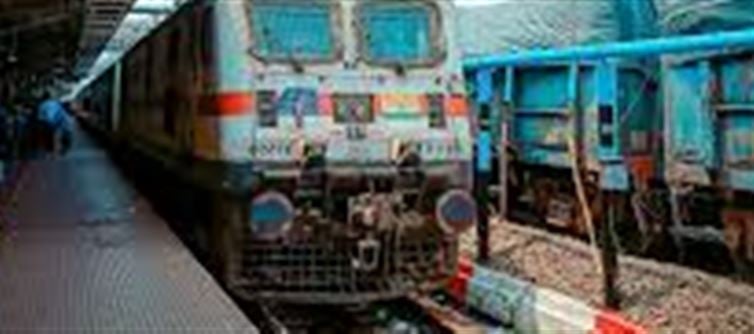

The Indian Railways has once again missed its scheduled deadline for the installation of the indigenous automatic train protection system, Kavach 4.0, on some of the country’s busiest rail routes. The second deadline, set for December 2025, was not met for the Delhi-Mumbai and Delhi-Kolkata routes, raising questions about the pace of implementation.
About Kavach 4.0
Kavach 4.0 is an advanced automatic train protection system designed to enhance railway safety across India. Its key features include:
Automatic braking to prevent collisions
Speed regulation to avoid derailments
Train-to-train communication for better coordination
Real-time monitoring to ensure adherence to safety protocols
The system has been developed indigenously and is considered a critical upgrade for the modernization and safety enhancement of indian Railways.
Reasons for Delay
Officials cited multiple factors for missing the deadline:
Technical challenges in integrating the system on busy routes
Infrastructure limitations and ongoing maintenance work
The need for thorough testing to ensure safety and reliability
While the exact reasons are under review, the railways have assured that implementation will likely take place in 2026 after completing the necessary trials and resolving technical issues.
Impact of Delay
The delay in Kavach 4.0 installation has several implications:
Potential safety risks remain on high-traffic rail routes
Passengers may experience delays in modernization benefits
Operational efficiency may be affected due to the lack of automated train control systems
Railways’ Commitment
Despite the delay, indian Railways has reiterated its commitment to full-scale implementation. Officials have stated that:
Prioritizing passenger safety is paramount
Kavach 4.0 will undergo rigorous testing before deployment
Once installed, it will significantly reduce human error-related accidents
Conclusion
The missed deadlines for the Kavach 4.0 system on the Delhi-Mumbai and Delhi-Kolkata routes highlight the challenges of implementing cutting-edge technology in a large and busy rail network. However, with full deployment expected in 2026, passengers can look forward to a safer and more modern railway experience in the near future.
Disclaimer:
The views and opinions expressed in this article are those of the author and do not necessarily reflect the official policy or position of any agency, organization, employer, or company. All information provided is for general informational purposes only. While every effort has been made to ensure accuracy, we make no representations or warranties of any kind, express or implied, about the completeness, reliability, or suitability of the information contained herein. Readers are advised to verify facts and seek professional advice where necessary. Any reliance placed on such information is strictly at the reader’s own risk.
 click and follow Indiaherald WhatsApp channel