


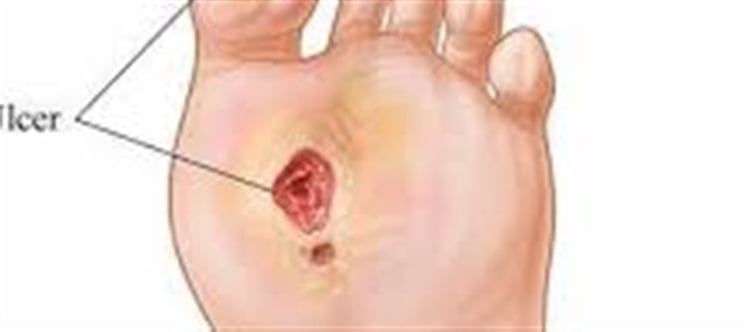

1. Keep Your Feet Clean and Dry
Wash feet daily with mild soap and lukewarm water.
Dry thoroughly, especially between toes, to prevent fungal infections.
Avoid soaking for long periods as it can dry out the skin.
2. Inspect Your Feet Every Day
Look for cuts, blisters, redness, swelling, or nail problems.
Early detection of minor issues prevents serious infections.
Use a mirror or ask a family member if you have trouble seeing your feet.
3. Moisturize, But Not Between Toes
Apply a mild, fragrance-free moisturizer on the tops and bottoms of feet.
Avoid moisturizing between toes to prevent fungal growth.
4. Wear Proper Footwear
Choose well-fitting, breathable shoes to reduce friction.
Avoid walking barefoot, even indoors, to prevent injuries.
Use diabetic socks to reduce pressure points and keep feet dry.
5. Control Blood sugar Levels
Maintain blood sugar within target ranges to promote healing and prevent new ulcers.
Follow your diet, medications, and exercise plan as prescribed.
6. Treat Cuts and Blisters Promptly
Clean minor wounds with mild antiseptic and cover with sterile dressing.
Avoid home remedies like butter or oils on open wounds.
Seek medical attention if the wound is deep, infected, or not healing.
7. Regular Check-Ups with a Podiatrist
Schedule periodic foot exams with a healthcare professional.
People with neuropathy, poor circulation, or history of ulcers should see a podiatrist every 3–6 months.
8. Promote Circulation
Avoid crossing legs for long periods.
Perform gentle foot exercises, like wiggling toes or ankle rotations.
Avoid smoking, which reduces blood flow and delays healing.
9. Advanced Care for Persistent Ulcers
Doctors may recommend special dressings, antibiotics, or debridement.
In severe cases, surgical intervention or hyperbaric oxygen therapy may be needed.
✅ Bottom Line:
Healing diabetic foot ulcers requires daily care, blood sugar control, proper footwear, and prompt medical attention. Preventive steps and early treatment are key to avoiding infections and complications.
Disclaimer:
The views and opinions expressed in this article are those of the author and do not necessarily reflect the official policy or position of any agency, organization, employer, or company. All information provided is for general informational purposes only. While every effort has been made to ensure accuracy, we make no representations or warranties of any kind, express or implied, about the completeness, reliability, or suitability of the information contained herein. Readers are advised to verify facts and seek professional advice where necessary. Any reliance placed on such information is strictly at the reader’s own risk.
 click and follow Indiaherald WhatsApp channel