


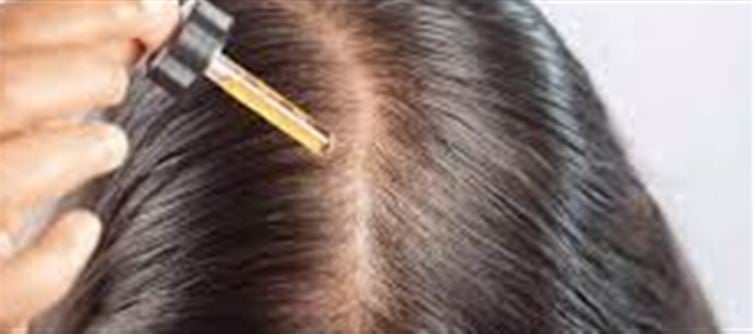

For decades, hair oiling has been a cherished part of hair care routines, especially in cultures where it’s considered essential for long, healthy locks. However, with busy schedules and modern hair care products, many people wonder: What really happens if you skip oiling your hair for a month? Understanding the science and consequences of skipping hair oil can help you make informed decisions for your hair health.
Why Hair oil Has Been Popular
Hair oils—such as coconut, argan, almond, or sesame—have long been used to:
· Nourish the scalp and hair follicles
· Prevent dryness and split ends
· Promote hair strength and shine
· Reduce dandruff and scalp irritation
Oils act as a protective layer, locking in moisture and shielding hair from environmental stressors like pollution, sun damage, and harsh shampoos.
What Happens When You Skip Hair oil for a Month
1. Scalp and Hair Hydration
Without oil, your scalp relies solely on natural sebum for moisture. For some, this is enough, but for others:
· Hair may feel dry, rough, and brittle
· Scalp can become flaky or itchy, especially in dry climates
· Natural shine may diminish as moisture balance is affected
2. Hair Breakage and Split Ends
Hair oil helps lubricate strands and reduces friction while brushing or styling. Skipping it can lead to:
· Increased hair breakage, especially at the ends
· More noticeable split ends
· Reduced elasticity and smoothness of hair strands
3. Reduced Hair Growth Benefits
Oiling stimulates blood circulation in the scalp, which can support healthy hair growth. While growth isn’t stopped entirely without oil:
· Some may notice slightly slower hair growth
· Weaker hair follicles may lead to thinner strands over time
4. Protection from Environmental Damage
Oils form a barrier against pollutants, UV rays, and heat styling. Without this layer:
· Hair may be more prone to dryness and frizz
· Damage from straighteners, curling irons, and heat dryers may become more noticeable
5. Dandruff and Scalp Health
Hair oil helps maintain scalp balance. Skipping it:
· Could cause minor dandruff flare-ups in people prone to dryness
· May make the scalp more sensitive to harsh shampoos
Who Can Safely Skip Hair Oil
Not everyone suffers from skipping hair oil. people with naturally oily hair, humid climates, or those using leave-in conditioners and serums may find:
· Hair remains soft and shiny without oil
· Scalp does not feel dry or irritated
· Minimal changes in hair texture over a month
Tips to Maintain Hair health Without Oil
If you choose to skip oiling, these practices can help maintain hair vitality:
· Use gentle, sulfate-free shampoos to avoid stripping natural oils
· Apply leave-in conditioners or hair serums for moisture and protection
· Avoid excessive heat styling and tight hairstyles
· Eat a balanced diet rich in vitamins, minerals, and protein to support hair growth from within
Conclusion
Skipping hair oil for a month doesn’t necessarily spell disaster, but it can lead to subtle changes in hair hydration, strength, and scalp health—especially for those with dry or brittle hair. For individuals with naturally oily hair, the impact may be minimal, but for dry or damaged hair, skipping oiling could make hair more prone to breakage, dullness, and frizz. Understanding your hair type and needs is key to deciding whether to stick with traditional oiling or explore modern alternatives for healthy, resilient hair.
Disclaimer:
The views and opinions expressed in this article are those of the author and do not necessarily reflect the official policy or position of any agency, organization, employer, or company. All information provided is for general informational purposes only. While every effort has been made to ensure accuracy, we make no representations or warranties of any kind, express or implied, about the completeness, reliability, or suitability of the information contained herein. Readers are advised to verify facts and seek professional advice where necessary. Any reliance placed on such information is strictly at the reader’s own risk.
 click and follow Indiaherald WhatsApp channel