


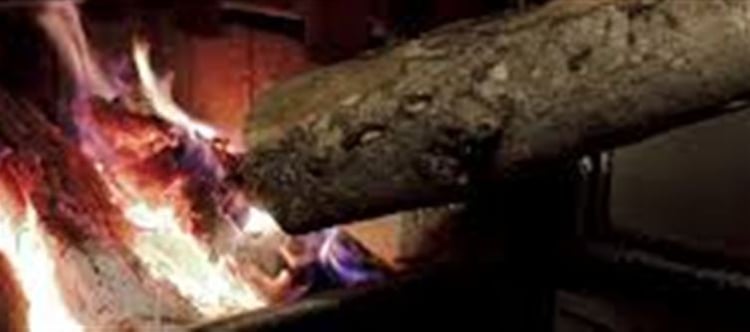

🔥 1) Cozy fire, Serious Consequences — Wood Burning Drives Major Winter Pollution
When winter hits and temperatures drop, many households light up fireplaces or wood stoves to stay warm. But recent research finds that even though only a small fraction of homes use wood as their main heat source, residential wood burning accounts for over 20 % of wintertime fine particulate matter (PM2.5) pollution — the tiny particles linked to heart and lung disease.
These ultrafine particles are so small they penetrate deep into the lungs and bloodstream, contributing to cardiovascular and respiratory disease risk in large populations.
😷 2) Smoke = health Threat — Not Just Irritation But Life‑Threatening Problems
Wood smoke isn’t just “smoky air” — it’s a complex brew of harmful substances:
Fine particulate matter (PM2.5) — deeply inhaled, causes lung inflammation
Toxic gases like benzene, formaldehyde and acrolein
Carbon monoxide and nitrogen oxides that strain the heart and lungs
These pollutants can trigger coughing, wheezing, asthma attacks, and worsen conditions like COPD and heart disease.
❤️ 3) Higher Risk of heart Attacks, Stroke and Premature Death
The evidence is stark: long‑term exposure to smoke from burning wood significantly increases risks of:
Heart attacks and irregular heart rhythms
Stroke and heart failure
Premature death from cardiovascular and respiratory causes
In a major study, residential wood burning was linked with about 8,600 premature deaths per year in the U.S. alone.
This isn’t limited to rural areas — the smoke often drifts into urban air, impacting populations far beyond the homes where the wood is burned.
👶 4) Everyone’s Affected — Especially Vulnerable Groups
While wood smoke impacts all of us, certain groups are far more vulnerable:
Children — still developing lungs and breathe more air per body weight
Older adults — more likely to have heart and lung conditions
People with asthma, COPD, diabetes or cardiovascular disease
Expectant mothers and infants — smoke exposure can affect growth and health
These groups can experience severe symptoms even at lower exposure levels.
💸 5) Hidden Costs — More Than Just Firewood Expenses
Burning wood may seem economical upfront, but the hidden costs are huge:
Medical bills and healthcare burden from pollution‑related illnesses
Lost productivity and work days due to respiratory and cardiovascular conditions
Public health costs associated with treating chronic disease
Studies in countries like new zealand estimate that wood smoke and related pollution cost households and health systems thousands per year in added medical and societal expenses.
🏙️ 6) Urban air Quality Suffers — Wood Smoke Doesn’t Stay Local
Contrary to what many assume, wood smoke doesn’t just affect the home where it’s burned. Smoke particles can:
Drift many miles due to weather patterns
Settle over cities and suburbs, worsening air quality far from the source
Expose people who don’t use wood at all
This widespread spread means entire communities face higher pollution levels in cold months.
🚭 7) Think It’s Like Campfire Smoke? It’s Worse
Scientific reviews show that wood smoke can be more harmful than cigarette smoke in some ways, containing carcinogenic organic compounds and fine particles that damage lung tissue and the cardiovascular system.
In fact, the toxic blend in wood smoke includes known carcinogens such as benzene and other volatile organic compounds.
❄️ 8) Winter Makes It Worse — Temperature Inversions Trap Pollutants
In cold weather, temperature inversions (where a warm air layer traps cold air below) can keep smoke and pollution close to the ground. This means:
Pollutants hang around much longer
Air quality deteriorates faster
Breathing conditions get significantly worse during peak heating season
Even areas without heavy wood burning can feel smoke impacts because of this atmospheric trapping.
♻️ 9) Cleaner Alternatives Exist — And They Help
Experts recommend safer heating options to reduce health risks and pollution:
Electric or heat pump systems that don’t emit smoke
Certified high‑efficiency stoves with lower emissions
Using dry, seasoned wood and proper ventilation if burning can’t be avoided
These measures can significantly reduce smoke emissions and protect both indoor and outdoor air quality.
👨⚕️ 10) Bottom Line — Cozy fire Isn’t Worth the Risk
While a wood fire feels warm and comforting, the science is clear: burning wood for heat in winter introduces dangerous pollutants into the air we breathe, raises the risk of serious heart and lung conditions, and contributes to thousands of premature deaths annually. Choosing cleaner heating options not only protects your health, it helps improve air quality for everyone.
Disclaimer:
The views and opinions expressed in this article are those of the author and do not necessarily reflect the official policy or position of any agency, organization, employer, or company. All information provided is for general informational purposes only. While every effort has been made to ensure accuracy, we make no representations or warranties of any kind, express or implied, about the completeness, reliability, or suitability of the information contained herein. Readers are advised to verify facts and seek professional advice where necessary. Any reliance placed on such information is strictly at the reader’s own risk.
 click and follow Indiaherald WhatsApp channel