


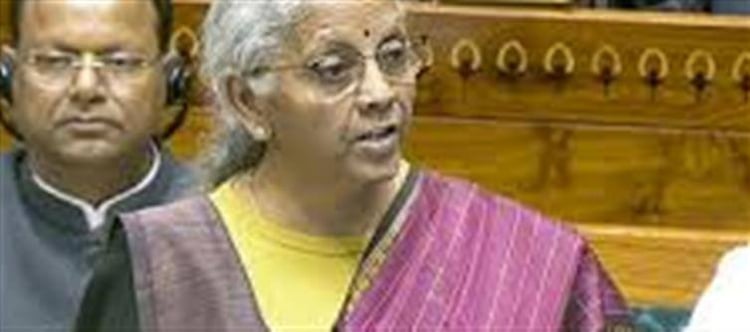

New Delhi: The Union Budget 2026-27 presented by Finance minister Nirmala Sitharaman announced a significant increase in government capital expenditure (capex), raising it to ₹12.2 lakh crore. This move underscores the government’s commitment to accelerating infrastructure development as a key driver of economic growth, job creation, and long-term productivity.
Key Highlights of the Capex Push
Transport and Connectivity
Major investments are planned for roads, railways, airports, and ports, aimed at improving connectivity within states and across regions.
Emphasis on highway expansion, metro projects, and urban transport systems to ease congestion and promote sustainable urban mobility.
Energy and Sustainability
Funding for renewable energy projects, smart grids, and power transmission infrastructure will be scaled up.
Initiatives to support green energy adoption and reduce carbon emissions are expected to accelerate India’s transition to a sustainable economy.
Urban and Rural Development
Expansion of smart cities, water supply, sanitation, and rural infrastructure to improve quality of life.
Investments will also focus on housing, health facilities, and educational institutions, creating a multiplier effect on employment.
Digital and technology Infrastructure
Capex will include funding for digital connectivity, data centers, and broadband expansion, particularly in semi-urban and rural areas.
Strengthening wallet PLATFORM' target='_blank' title='digital-Latest Updates, Photos, Videos are a click away, CLICK NOW'>digital infrastructure aims to promote start-ups, innovation, and e-governance initiatives.
Economic Impact
Analysts note that the 12.2 lakh crore capex allocation reflects a strategic push to stimulate private investment, generate millions of jobs, and enhance India’s manufacturing and industrial base. Higher government spending on infrastructure is expected to boost economic growth, improve logistics, and enhance global competitiveness.
Finance minister Sitharaman emphasized that infrastructure development is a key driver of both short-term demand and long-term economic productivity, and the enhanced capex allocation signals the government’s focus on building a modern, resilient, and inclusive economy.
Conclusion
The Budget 2026-27’s focus on record capital expenditure demonstrates the government’s commitment to transforming India’s infrastructure landscape, facilitating sustainable growth, and creating opportunities across sectors. With ₹12.2 lakh crore earmarked for infrastructure, the coming year is set to witness rapid development projects, urban modernization, and improved regional connectivity, strengthening India’s growth trajectory.
Disclaimer:
The views and opinions expressed in this article are those of the author and do not necessarily reflect the official policy or position of any agency, organization, employer, or company. All information provided is for general informational purposes only. While every effort has been made to ensure accuracy, we make no representations or warranties of any kind, express or implied, about the completeness, reliability, or suitability of the information contained herein. Readers are advised to verify facts and seek professional advice where necessary. Any reliance placed on such information is strictly at the reader’s own risk.
 click and follow Indiaherald WhatsApp channel