



The ‘Zombie Drug’ Angle: A Dark New Layer in the Epstein Files
Just when it seemed the Jeffrey Epstein saga couldn’t get more disturbing, a fresh batch of documents has added another unsettling detail.
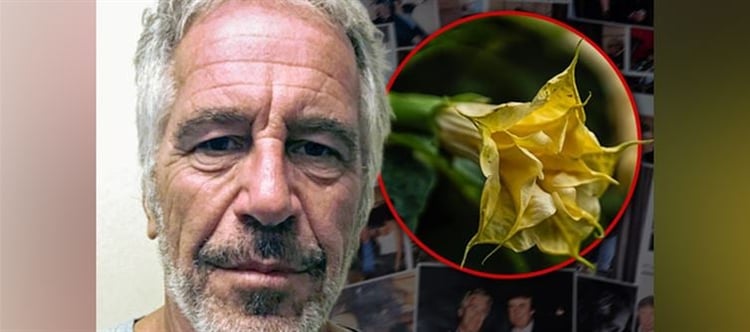
Newly surfaced emails from the latest release of the Epstein Files suggest he may have had a collection of highly toxic plants — specifically Angel’s Trumpet — known to produce a drug called scopolamine. And that revelation has reignited serious questions.
Because scopolamine isn’t just any substance.
It has a reputation.
1️⃣ The Email That Sparked It
In one of the newly uncovered messages, Epstein reportedly asked about his “trumpet plants at nursery.”
On its face, that might sound harmless — a wealthy man checking on exotic landscaping.
But Angel’s Trumpet plants are far from decorative curiosities. They are highly poisonous and contain compounds used to derive scopolamine, a drug infamous for its extreme psychological effects.
2️⃣ What Is Scopolamine?
Scopolamine has often been referred to in sensational headlines as a “zombie drug.”
Why? Because at high levels, it can impair memory, disorient victims, and in severe cases, leave them compliant and unable to resist or recall events. Reports also note that extreme intoxication can lead to paralysis, respiratory failure, or death.
Adding to the intrigue: it is often described as difficult to detect in standard toxicology screenings, depending on timing and dosage.
That combination — memory disruption and low detectability — is what has fueled public alarm around its mention in the Epstein documents.
3️⃣ Was Epstein Aware of Its Effects?
Another email reportedly shows Epstein being sent an article detailing scopolamine’s effects and the plants that produce it.
That suggests at minimum an awareness of what Angel’s Trumpet contains.
Whether curiosity, coincidence, or something more, the connection has triggered renewed speculation.
4️⃣ The Larger Context
Epstein died in 2019 while awaiting trial on federal sex-trafficking charges. His death — officially ruled a suicide — has remained a lightning rod for controversy.
Since then, lawmakers have pushed for transparency, resulting in batches of documents being released publicly. The Department of Justice has indicated there are no further releases planned.
The files contain references to numerous high-profile figures across politics, business, science, and entertainment — though inclusion in the documents does not imply criminal wrongdoing.
5️⃣ Political Fallout Continues
Last week, Ghislaine Maxwell invoked the Fifth Amendment during a deposition before the house Oversight Committee, declining to answer questions, including those related to former President Donald Trump’s association with Epstein.
Trump has not been accused of any crime in connection with Epstein.
Still, each document release reignites scrutiny — not just of individuals mentioned, but of the broader network and unanswered questions surrounding Epstein’s operations.
The Unsettling Aftermath
The mention of toxic plants and scopolamine doesn’t prove wrongdoing. But it adds another layer to an already dark and complicated story.
A wealthy financier. A private island. A global network of connections. And now, emails referencing plants known for producing a drug that disrupts memory and will.
The Epstein Files continue to drip-feed revelations that are less about closure — and more about how much remains unresolved.
And with officials signaling that no more documents are coming, the speculation may only grow louder.
 click and follow Indiaherald WhatsApp channel