


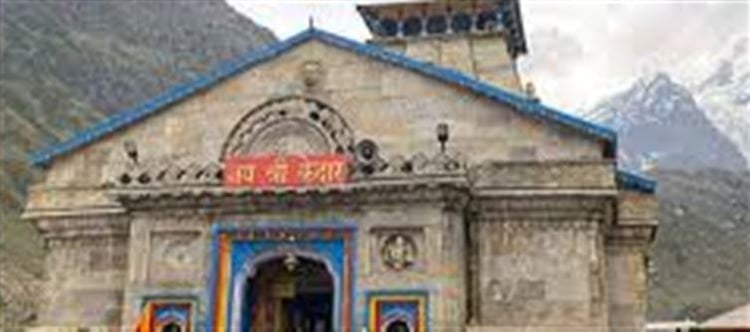

The sacred portals of kedarnath temple will reopen for devotees on April 22, marking the beginning of the annual Char Dham yatra in Uttarakhand. The reopening of the Himalayan shrine signals the start of one of India’s most significant pilgrimage journeys, attracting lakhs of devotees from across the country and abroad.
📍 What is the Char Dham Yatra?
The Char Dham yatra in uttarakhand refers to a sacred pilgrimage circuit that includes four revered Himalayan shrines:
Yamunotri Temple
Gangotri Temple
Kedarnath Temple
Badrinath Temple
These shrines are located in the Garhwal region of uttarakhand and are dedicated respectively to Goddess Yamuna, Goddess Ganga, Lord Shiva, and Lord Vishnu.
The yatra is typically undertaken between April/May and October/November, as the temples remain closed during winter due to heavy snowfall.
🛕 Kedarnath temple Opening Date and Significance
Kedarnath temple, dedicated to Lord Shiva, is one of the 12 Jyotirlingas and holds immense spiritual importance. Situated at an altitude of about 3,583 meters near the Mandakini River, it is surrounded by snow-clad Himalayan peaks.
The temple doors reopen each year after a ceremonial announcement made on the auspicious occasion of maha Shivaratri. Priests from the village of Ukhimath perform traditional rituals before the reopening.
This year, the temple will open on April 22, allowing pilgrims to begin darshan for the 2026 season.
📅 Opening Dates of Other Char Dham Shrines
While kedarnath opens on april 22, the other shrines generally open around the same time:
Yamunotri and Gangotri usually open on Akshaya Tritiya
Badrinath temple opens shortly after Kedarnath, as per traditional calendar calculations
Pilgrims often follow a specific sequence:
Yamunotri → Gangotri → Kedarnath → Badrinath
🧭 Registration and Travel Guidelines
The uttarakhand government mandates online and offline registration for all Char Dham pilgrims to ensure safety and crowd management.
Key Points:
Biometric registration is compulsory
Health check-ups are recommended due to high-altitude conditions
Advance booking for accommodation and helicopter services is advisable
Weather conditions should be monitored regularly
Authorities have strengthened disaster management systems, surveillance, medical facilities, and transport arrangements to ensure a safe pilgrimage season.
🚁 Travel and Accessibility
Kedarnath can be reached via:
Road travel up to Gaurikund
A 16–18 km trek from Gaurikund to the temple
Helicopter services from Phata, Guptkashi, and Sirsi
Improved infrastructure, widened roads, and better connectivity have significantly eased travel for pilgrims in recent years.
🌄 Spiritual and Cultural Importance
The Char Dham yatra is believed to cleanse devotees of sins and pave the path toward moksha (liberation). Beyond its spiritual value, the yatra also contributes significantly to Uttarakhand’s economy, supporting local livelihoods, tourism, and hospitality sectors.
⚠️ Advisory for Pilgrims
Carry warm clothing even during summer
Stay hydrated and acclimatize properly
Follow government advisories and temple guidelines
Avoid travel during extreme weather alerts
A Season of Faith Begins
With kedarnath temple set to open on april 22, preparations are in full swing for the 2026 Char Dham Yatra. Devotees eagerly await the spiritual journey to the sacred Himalayan shrines, marking yet another year of devotion, resilience, and faith in the lap of the Himalayas.
Disclaimer:
The views and opinions expressed in this article are those of the author and do not necessarily reflect the official policy or position of any agency, organization, employer, or company. All information provided is for general informational purposes only. While every effort has been made to ensure accuracy, we make no representations or warranties of any kind, express or implied, about the completeness, reliability, or suitability of the information contained herein. Readers are advised to verify facts and seek professional advice where necessary. Any reliance placed on such information is strictly at the reader’s own risk.
 click and follow Indiaherald WhatsApp channel