


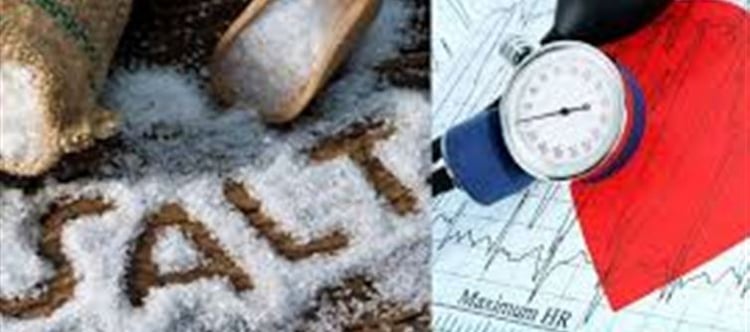

Sodium is essential for body functions, but excess intake is a major contributor to high blood pressure, heart disease, and stroke. Experts reveal how much sodium is safe and practical ways to manage it in your diet.
1. Recommended Daily sodium Intake
· World health Organization (WHO) and American heart Association (AHA) guidelines:
o Adults: Less than 2,300 mg per day (about 1 teaspoon of salt)
o Ideal for heart health: Aim for 1,500 mg per day for better blood pressure control
· Children should consume even less, based on age and body weight
2. Why sodium Matters for Blood Pressure
· Excess sodium causes the body to retain water, increasing blood volume
· Higher blood volume puts extra pressure on blood vessels, raising blood pressure
· Over time, this can damage the heart, kidneys, and arteries
3. Hidden Sources of sodium in Your Diet
· Processed and packaged foods: Chips, biscuits, instant noodles
· Canned foods and pickles: Often high in salt and preservatives
· Restaurant meals and fast food: Large portions of sodium often unnoticed
· Condiments and sauces: Soy sauce, ketchup, and salad dressings
4. Tips to Reduce sodium Intake
· Cook at home: Control the amount of salt added to meals
· Use herbs and spices: Ginger, garlic, turmeric, cumin, and coriander can replace salt for flavor
· Read labels carefully: Choose low-sodium or no-added-salt versions
· Limit processed snacks and ready-to-eat meals
5. Other lifestyle Measures to Protect Your Heart
· Exercise regularly: 30 minutes of moderate activity most days
· Maintain a healthy weight: Reduces strain on the heart and blood vessels
· Eat a balanced diet: Rich in fruits, vegetables, whole grains, and lean proteins
· Stay hydrated: Proper water intake helps maintain fluid balance and blood pressure
💡 Bottom Line: Keeping sodium intake under 2,300 mg per day—and ideally around 1,500 mg—can significantly reduce your risk of high blood pressure and protect heart health. Combining this with a balanced diet and active lifestyle gives the best results.
Disclaimer:
The views and opinions expressed in this article are those of the author and do not necessarily reflect the official policy or position of any agency, organization, employer, or company. All information provided is for general informational purposes only. While every effort has been made to ensure accuracy, we make no representations or warranties of any kind, express or implied, about the completeness, reliability, or suitability of the information contained herein. Readers are advised to verify facts and seek professional advice where necessary. Any reliance placed on such information is strictly at the reader’s own risk.
 click and follow Indiaherald WhatsApp channel