


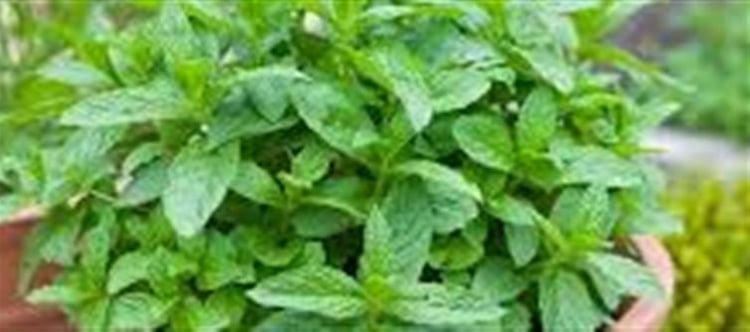

With rising awareness of natural remedies and homegrown health solutions, growing medicinal plants in your backyard has become both a practical and rewarding choice. India’s diverse climate allows for a wide variety of plants that boost immunity, aid digestion, and promote overall wellness. By cultivating these herbs at home, you not only have fresh, chemical-free ingredients but also a ready supply of natural remedies throughout the year.
to medicinal plants ideal for indian weather, along with their benefits and simple care tips.
1. Tulsi (Holy Basil)
Why Grow It:
Revered in ayurveda for its immunity-boosting, anti-inflammatory, and anti-stress properties.
Uses:
Tulsi tea for cold, cough, and flu.
Leaves can be chewed to fight throat infections.
Care Tips:
Requires well-drained soil and sunlight.
Water moderately; prune regularly to encourage bushy growth.
2. Aloe Vera
Why Grow It:
Famous for skin healing, digestion support, and detoxification.
Uses:
Gel for burns, acne, and skin hydration.
Juice aids digestion and immunity.
Care Tips:
Thrives in sunlight and sandy soil.
Water sparingly; ensure proper drainage to prevent root rot.
3. Mint (Pudina)
Why Grow It:
Helps with digestion, nausea, and respiratory issues.
Uses:
Fresh leaves for teas, chutneys, or water infusions.
Can relieve headaches when inhaled or used in oils.
Care Tips:
Prefers partial sunlight and moist soil.
Grows rapidly; contain it in pots to prevent spreading.
4. Amla (Indian Gooseberry)
Why Grow It:
Rich in Vitamin C, antioxidants, and immunity boosters.
Uses:
Consumed raw, in juice, or as part of Ayurvedic preparations.
Supports hair, skin, and overall vitality.
Care Tips:
Needs full sunlight and well-drained soil.
Water regularly during dry periods; prune young shoots.
5. ginger (Adrak)
Why Grow It:
Excellent for digestion, nausea, cold relief, and anti-inflammatory benefits.
Uses:
Fresh ginger for tea, cooking, or home remedies.
Can reduce sore throat and seasonal flu symptoms.
Care Tips:
Plant rhizomes in loamy soil with partial sunlight.
Keep soil moist and harvest carefully after 8–10 months.
6. Lemongrass (Cymbopogon)
Why Grow It:
Known for antibacterial, antifungal, and digestive properties.
Uses:
Tea infusion to aid digestion and relieve cold symptoms.
Oil can be used for relaxation and stress relief.
Care Tips:
Prefers sunlight and well-drained soil.
Water regularly; trim leaves to encourage fresh growth.
7. Holy Pepper (Kalimirch / Black Pepper Plant)
Why Grow It:
Boosts digestion, respiratory health, and immunity.
Uses:
Peppercorns for seasoning or herbal decoctions.
Helps relieve cough, congestion, and cold symptoms.
Care Tips:
Grows well in warm, humid climates with partial shade.
Needs support to climb; water moderately.
8. curry leaves (Kadi Patta)
Why Grow It:
Excellent for digestion, diabetes management, and hair health.
Uses:
Fresh leaves in cooking for flavor and medicinal benefits.
Can aid in blood sugar regulation and skin care.
Care Tips:
Requires full sunlight and well-drained soil.
Regular pruning encourages dense foliage.
Benefits of Growing Medicinal Plants at Home
Fresh and Chemical-Free: You control what goes into your plants.
Cost-Effective: Reduces dependence on store-bought herbs and medicines.
Sustainable Lifestyle: Promotes eco-friendly habits and self-reliance.
Therapeutic Gardening: Gardening itself reduces stress and improves mental well-being.
Tips for a Thriving Medicinal Garden in India
Choose Plants According to Climate: Northern winters vs. southern tropical regions require different care.
Use Organic Fertilizers: Compost or natural manure promotes healthy growth.
Regular Pruning: Encourages bushy growth and enhances leaf yield.
Pest Management: Use natural remedies like neem oil to protect plants.
Companion Planting: Some herbs, like basil and mint, repel pests and support each other’s growth.
Bottom Line
Growing medicinal plants in your backyard is more than a hobby—it’s a step toward holistic health, self-sufficiency, and natural healing. Whether it’s Tulsi for immunity, aloe vera for skin, or Amla for vitality, cultivating these plants ensures that you always have nature’s remedies at your fingertips, perfectly suited for indian weather.
Disclaimer:
The views and opinions expressed in this article are those of the author and do not necessarily reflect the official policy or position of any agency, organization, employer, or company. All information provided is for general informational purposes only. While every effort has been made to ensure accuracy, we make no representations or warranties of any kind, express or implied, about the completeness, reliability, or suitability of the information contained herein. Readers are advised to verify facts and seek professional advice where necessary. Any reliance placed on such information is strictly at the reader’s own risk.
 click and follow Indiaherald WhatsApp channel