


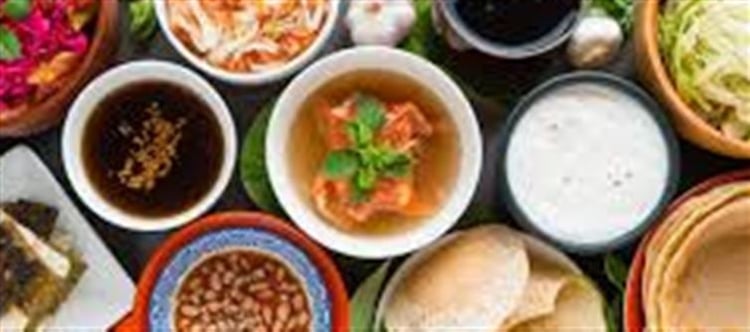

Fermented foods have been a staple in indian cuisine for centuries, forming an essential part of both everyday meals and traditional health practices. From tangy pickles to probiotic-rich idli batter, these foods not only add flavor but also offer a range of health benefits. However, like any food, they come with potential risks if consumed improperly. Understanding both sides is key to enjoying fermented foods safely and effectively.
What Are Fermented Foods?
Fermentation is a natural process where microorganisms like bacteria, yeast, or fungi convert sugars and starches in food into acids, gases, or alcohol. This process enhances flavor, increases shelf life, and often improves the food’s nutritional profile.
In india, common fermented foods include:
· Idli and Dosa batter (fermented rice and lentils)
· Dhokla (fermented gram flour)
· Pickles (Achar) made from mango, lime, or vegetables
· Curd/Yogurt (Dahi)
· Kanji (fermented carrot or beetroot drink)
· Fermented soy products in some regional cuisines
Health Benefits of Fermented Foods
1. Supports Gut Health
· Fermented foods are rich in probiotics, which are beneficial bacteria that help balance gut microbiota.
· A healthy gut improves digestion, nutrient absorption, and may reduce bloating or constipation.
2. Boosts Immunity
· The probiotics and bioactive compounds in fermented foods help strengthen the immune system.
· Some studies suggest regular consumption of fermented foods may reduce the risk of infections and inflammation.
3. Enhances Nutrient Absorption
· Fermentation can increase the bioavailability of nutrients like B vitamins, iron, and zinc.
· It also reduces anti-nutrients like phytates in grains and legumes, making them easier to digest.
4. May Improve Mental Health
· Emerging research on the gut-brain axis suggests that probiotic-rich foods can influence mood, anxiety, and cognitive health.
· Regular intake of fermented foods like curd or idli may contribute to better emotional well-being.
5. Adds Flavor Without Excess salt or Sugar
· Fermentation naturally enhances flavor, reducing the need for additional salt, sugar, or artificial preservatives in food.
Possible Risks of Fermented Foods
While fermented foods are generally beneficial, certain risks need attention:
1. Excess Salt
· indian pickles and some fermented sauces often contain high salt content, which can increase blood pressure or worsen heart conditions.
2. Uncontrolled Fermentation
· Improper fermentation can allow harmful bacteria or molds to develop, leading to foodborne illnesses.
· Always ensure proper hygiene, temperature control, and storage when fermenting at home.
3. Overconsumption
· Eating fermented foods excessively can cause gas, bloating, or digestive discomfort, especially in people with sensitive stomachs or irritable bowel syndrome (IBS).
4. Alcohol Formation
· Some fermented foods or drinks may contain trace amounts of alcohol. While generally harmless in small quantities, this may be a concern for individuals avoiding alcohol.
5. Interaction with Medications
· Probiotic foods can occasionally interact with medications, particularly immunosuppressants. Always consult a doctor if you have chronic conditions or are on medication.
Tips for Safe Fermentation at Home
1. Use Clean Equipment: Wash utensils, containers, and hands thoroughly.
2. Control Temperature: Ferment in a cool, dark place to prevent harmful bacterial growth.
3. Use Fresh Ingredients: Spoiled or bruised vegetables can introduce unwanted microbes.
4. Taste Before Use: If the food smells off or has mold, discard it.
5. Moderation is Key: Incorporate fermented foods gradually into your diet to avoid digestive upset.
Popular indian Fermented Foods and Their Benefits
Food
Fermentation Process
Key Benefits
Idli/Dosa Batter
Rice + urad dal fermentation
Probiotics, better digestion, nutrient absorption
Dhokla
Gram flour + water + fermentation
Rich in protein, easy to digest
Dahi/Yogurt
Milk + bacterial cultures
Gut health, immunity, calcium
Pickles (Achar)
Salt + spices + natural fermentation
Rich in flavor, antioxidants, moderate probiotics
Kanji
Carrot/beetroot + water + lactic acid bacteria
Probiotics, antioxidants, vitamin C
Bottom Line
Fermented foods in india are more than just traditional recipes—they are functional foods that support digestion, immunity, and overall health. While the benefits are significant, attention to hygiene, moderation, and quality is essential to minimize risks. By including a variety of fermented foods safely in your diet, you can enjoy delicious flavors along with powerful health benefits.
Disclaimer:
The views and opinions expressed in this article are those of the author and do not necessarily reflect the official policy or position of any agency, organization, employer, or company. All information provided is for general informational purposes only. While every effort has been made to ensure accuracy, we make no representations or warranties of any kind, express or implied, about the completeness, reliability, or suitability of the information contained herein. Readers are advised to verify facts and seek professional advice where necessary. Any reliance placed on such information is strictly at the reader’s own risk.
 click and follow Indiaherald WhatsApp channel