


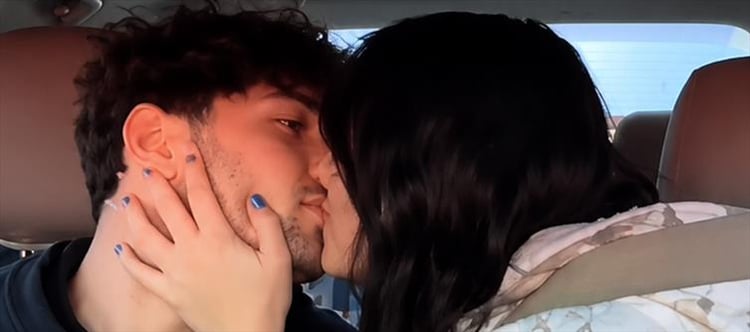

The Viral Trend Raising Serious Questions About Consent
Social media loves shocking content. The more uncomfortable, controversial, or unexpected a video is, the more likely it is to go viral. But some trends cross a line that shouldn't be ignored. One of the latest examples involves women suddenly kissing their male best friends on camera, recording the reaction, and posting it online for entertainment. The videos are usually framed as harmless pranks or social experiments. But strip away the music, captions, and viral hype, and a serious question remains: where does consent fit into all of this?
1. A Surprise Kiss Is Still Physical Contact
Many of these videos involve someone being kissed without warning and without permission. The entire point is to capture an unplanned reaction. That may generate views, but it also raises concerns about personal boundaries and consent.
2. The Gender Double Standard Is Hard to Ignore
This is where the debate becomes controversial. Many people argue that if a man suddenly kissed a female friend without her consent and uploaded the footage online, public reaction would be immediate and harsh. The behavior would likely be criticized, and questions about harassment and consent would dominate the conversation.
3. Viral Entertainment Doesn't Erase Responsibility
The internet often excuses questionable behavior when it's packaged as a joke. But whether something is intended as comedy or content creation doesn't automatically make it acceptable. Going viral shouldn't be treated as a free pass to ignore another person's boundaries.
4. Consent Should Be Universal
The principle itself is simple. Consent isn't a rule that changes depending on who's involved. It should apply equally to everyone. If unexpected physical contact is considered wrong in one situation, many people believe the standard should remain consistent in all situations.
5. The Bigger Issue Nobody Wants to Discuss
The real concern isn't just a few viral clips. It's the message they send. When millions of people laugh, share, and celebrate behavior that would be condemned if the genders were reversed, it creates the perception of unequal standards. That perception fuels frustration and deepens public debates about fairness, accountability, and consistency.
At its core, this isn't really about TikTok. It's about whether society is willing to apply the same rules to everyone. If consent matters—and it should—then it can't be treated as important only when it's convenient.
 click and follow Indiaherald WhatsApp channel