


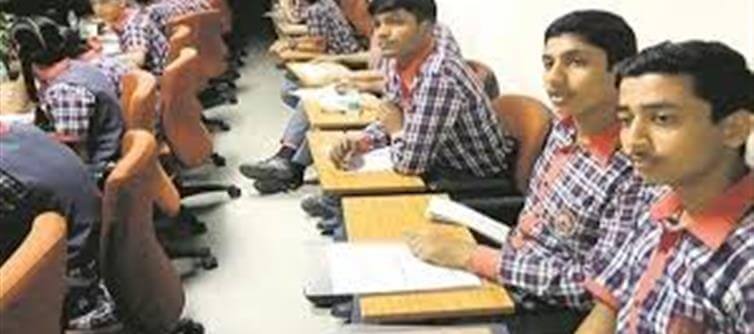

India has two prominent central government-run school systems: Kendriya Vidyalayas (KVs) and Jawahar Navodaya Vidyalayas (JNVs). Both are highly reputed, but they differ in purpose, admission process, and student profile.
1. Overview
Feature
Kendriya Vidyalaya (KV)
Navodaya Vidyalaya (JNV/NV)
Established
1963
1986
Administered by
Kendriya Vidyalaya Sangathan (KVS)
Navodaya Vidyalaya Samiti (NVS)
Objective
To provide uniform education to children of central government employees
To identify and nurture talented rural children
2. Admission Process
· KVs:
o Priority given to children of central government employees, including defense and paramilitary personnel.
o Admission is open for other children if seats remain vacant.
· JNVs:
o Admission is primarily through an entrance test (JNVST).
o Focuses on talented students from rural areas.
o Free education for students from Class 6 to 12.
3. Location & Student Demographics
· KVs: Found in cities and towns, often near government offices or defense establishments.
· JNVs: Located mostly in rural districts to promote education for underprivileged and gifted students.
4. Curriculum and Medium of Instruction
· KVs: Follow CBSE curriculum, with English and Hindi as medium of instruction.
· JNVs: Also follow CBSE curriculum, but emphasis on regional language and cultural exposure.
5. Fee Structure
· KVs: Nominal fees for general category students; concessions for government employees’ children.
· JNVs: Completely free including boarding, lodging, and study materials.
6. Residential Facility
· KVs: Mostly day schools, though some offer hostel facilities for transferable central government employees’ children.
· JNVs: Fully residential, creating a nurturing environment for students from rural areas.
7. Extra-Curricular Activities
· KVs: Focus on all-round development with sports, NCC, and cultural activities.
· JNVs: Provide holistic education, emphasizing both academics and life skills.
Conclusion
While Kendriya Vidyalayas cater mainly to children of central government employees and provide urban-focused education, Navodaya Vidyalayas aim to identify and nurture rural talent, offering free residential schooling. Both systems, however, share the goal of high-quality CBSE education and holistic student development.
Disclaimer:
The views and opinions expressed in this article are those of the author and do not necessarily reflect the official policy or position of any agency, organization, employer, or company. All information provided is for general informational purposes only. While every effort has been made to ensure accuracy, we make no representations or warranties of any kind, express or implied, about the completeness, reliability, or suitability of the information contained herein. Readers are advised to verify facts and seek professional advice where necessary. Any reliance placed on such information is strictly at the reader’s own risk..jpg)
 click and follow Indiaherald WhatsApp channel