
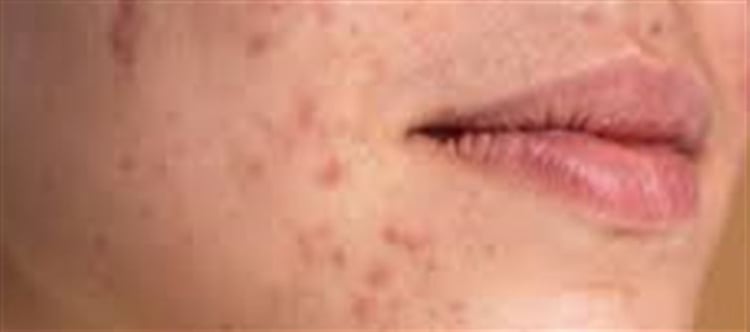


Acne often leaves behind post-inflammatory hyperpigmentation (PIH) — dark spots or reddish marks that remain even after pimples have healed. These marks can be frustrating, long-lasting, and affect confidence, especially for teens and adults who struggle with acne.
A recent study suggests that Botox (Botulinum toxin) may have a surprising benefit: reducing acne pigmentation and improving skin appearance.
How Acne Pigmentation Develops
Inflammation:
When a pimple forms, the skin becomes inflamed.
The body produces extra melanin (pigment) in response, leading to dark spots after the pimple heals.
Skin Damage:
Picking or squeezing pimples can worsen pigmentation by causing micro-injuries, increasing the concentration of melanin.
Slow Fading:
Post-acne marks can last weeks to months, even if the acne itself clears up.
Botox and Its Role in Reducing Pigmentation
- Botox, traditionally used for wrinkle reduction, works by relaxing facial muscles.
- Recent studies suggest it may also influence skin cells in ways that reduce inflammation and melanin production, potentially helping acne marks fade faster.
- Mechanisms under study include:
Reduced sebaceous activity – lowering oil production, which can reduce acne flare-ups.
Anti-inflammatory effects – calming the skin and preventing excessive pigmentation.
Microvascular modulation – improving skin healing and reducing redness.
What the Study Found
- Participants with post-acne hyperpigmentation saw noticeable improvement after targeted Botox injections in affected areas.
- Marks became lighter, redness reduced, and skin texture appeared smoother.
- Experts caution that Botox is not a first-line treatment for acne pigmentation, but it may complement other therapies like chemical peels, laser treatment, and topical creams.
Other Treatments for Acne Pigmentation
Topical Solutions:
Ingredients like niacinamide, vitamin C, azelaic acid, or hydroquinone help lighten dark spots.
Chemical Peels:
Mild chemical peels with glycolic acid or salicylic acid can speed up skin renewal.
Laser Therapy:
Fractional lasers or IPL (Intense Pulsed Light) target pigment in deeper skin layers.
Sun Protection:
Sunscreen is crucial, as UV exposure can darken post-acne pigmentation.
Conclusion
While Botox is primarily known for cosmetic wrinkle treatment, emerging research indicates it may help reduce acne pigmentation by calming inflammation, improving skin healing, and regulating melanin production.
However, it’s not a standalone cure, and results may vary based on skin type, severity of pigmentation, and other treatments used. Consulting a dermatologist is recommended before considering Botox for post-acne marks.
Disclaimer:
The views and opinions expressed in this article are those of the author and do not necessarily reflect the official policy or position of any agency, organization, employer, or company. All information provided is for general informational purposes only. While every effort has been made to ensure accuracy, we make no representations or warranties of any kind, express or implied, about the completeness, reliability, or suitability of the information contained herein. Readers are advised to verify facts and seek professional advice where necessary. Any reliance placed on such information is strictly at the reader’s own risk..jpg)
 click and follow Indiaherald WhatsApp channel