


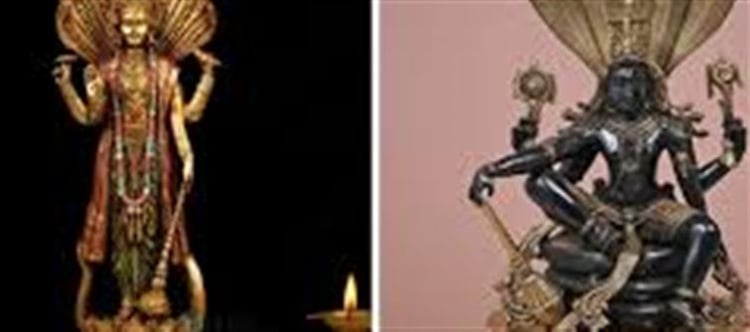

Setting up a home temple or puja room is not just a ritualistic exercise — it’s about creating positive energy, peace, and spiritual harmony in your home. According to Vastu Shastra and traditional beliefs, the placement of idols and which deities are kept together can affect the spiritual and emotional environment of your home.
Why Vastu and Idol Placement Matters
Energy Flow:
Vastu Shastra emphasizes the flow of positive energy (prana) in the house. Incorrect placement of deities can block or disturb this energy, affecting harmony in the home.
Compatibility of Deities:
Certain deities have specific attributes and energies. Placing incompatible deities together can lead to conflicting energies, which may manifest as tension, confusion, or unrest among household members.
Spiritual Focus:
The temple is meant to be a spiritual center. Keeping compatible deities together ensures a cohesive spiritual experience during worship.
Deities That Should Not Be Kept Together
According to traditional guidelines and Vastu experts:
Deities / Pair
Reason / Notes
Shiva and Vishnu (in close proximity)
Shiva represents detachment and renunciation, while vishnu represents protection and worldly sustenance. Keeping them together may create energy conflicts. However, having them in the same temple but separate altars is acceptable.
Shiva and kali / Bhairava
Both have fierce energies. Placing them together may lead to an overly intense energy field in a small home temple.
Lakshmi and Hanuman
Lakshmi is a goddess of wealth and prosperity, while Hanuman symbolizes strength and renunciation. Directly placing them together may not harmonize energies, according to some Vastu practitioners.
Durga / kali and Ganesh
Durga and kali are fierce and protective, while Ganesh represents wisdom and auspicious beginnings. Their energies should be balanced — often placed in different corners or on separate shelves.
Shani and Children-Deity Idols (e.g., krishna as a child)
Shani (Saturn) has a restrictive influence, which may conflict with the playful, joyful energies of child deities.
General Vastu Guidelines for home Temples
Direction Matters:
North-east (Ishan corner) is ideal for placing the home temple — considered highly auspicious.
Avoid south-west, as it’s associated with heavy and slow energy.
Separate Altars if Needed:
If you wish to keep multiple deities in one room, use separate platforms or shelves to avoid energy conflict.
Height & Orientation:
Deities should ideally face east or north — facing west or south can reduce auspicious energy.
Cleanliness and Sanctity:
The space should be clean, clutter-free, and well-lit. This ensures energy flows smoothly and fosters peace.
Avoid Mixing Fierce and Gentle Energies:
For example, do not place Kali/Durga next to Radha-Krishna or Saraswati. Fierce and gentle energies need spatial separation.
Other Practical Tips
- Keep no idols directly on the floor — they should be on a clean pedestal or altar.
- Avoid placing deities under beams or in corners with negative energy.
- Regularly clean and light incense/lamp to maintain positivity.
- Use crystal, copper, or brass idols as they are believed to enhance positive energy.
Conclusion
Creating a harmonious home temple isn’t just about aesthetics or devotion — it’s about energy alignment and Vastu compatibility. By avoiding incompatible pairings, respecting directional guidelines, and maintaining cleanliness, you can ensure that your puja space is a source of peace, prosperity, and spiritual well-being for the entire household.
Disclaimer:
The views and opinions expressed in this article are those of the author and do not necessarily reflect the official policy or position of any agency, organization, employer, or company. All information provided is for general informational purposes only. While every effort has been made to ensure accuracy, we make no representations or warranties of any kind, express or implied, about the completeness, reliability, or suitability of the information contained herein. Readers are advised to verify facts and seek professional advice where necessary. Any reliance placed on such information is strictly at the reader’s own risk..jpg)
 click and follow Indiaherald WhatsApp channel