


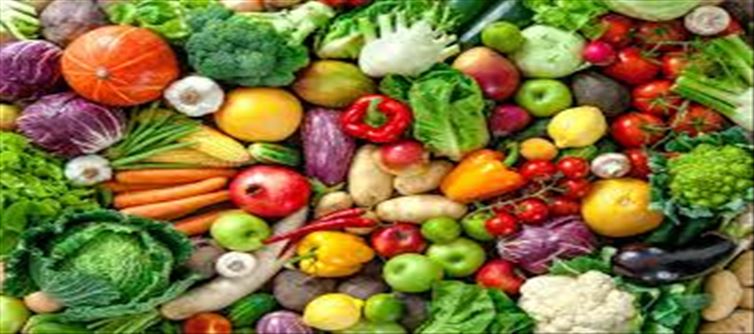

Consuming vegetables brings about a multitude of health advantages due to their abundant nutrient content. To begin with, vegetables are rich in vital vitamins and minerals like vitamin C, vitamin A, potassium, and folate, which are essential for overall health. They bolster the immune system, support good eyesight, and assist in the proper functioning of bodily organs.
.jpeg)
Furthermore, vegetables provide a valuable source of dietary fiber, which aids in digestion and imparts a sensation of satiety, particularly beneficial for individuals managing their weight. One of the most noteworthy benefits of including vegetables in one's diet is their role in averting various health conditions. Numerous vegetables, particularly leafy greens and cruciferous ones such as broccoli and kale, are brimming with antioxidants and phytonutrients.
These substances combat harmful free radicals and inflammation, diminishing the likelihood of chronic ailments like heart disease, diabetes, and specific forms of cancer. Vegetable fiber also contributes to maintaining healthy cholesterol levels, reducing the probability of heart-related problems.
Furthermore, vegetables are an essential element of a balanced diet that supports weight management. They are low in calories and high in nutrients, rendering them an excellent choice for individuals seeking to shed excess weight or sustain a healthy one. Regular vegetable consumption is linked to lower obesity rates and a decreased risk of metabolic syndrome.
Incorporating a variety of colorful vegetables into one's diet guarantees a wide array of nutrients, ensuring top-tier health. From enhancing digestion to diminishing the risk of ailments, vegetables are a cornerstone of a wholesome lifestyle and should form a fundamental part of each individual's daily nutrition.
 click and follow Indiaherald WhatsApp channel