


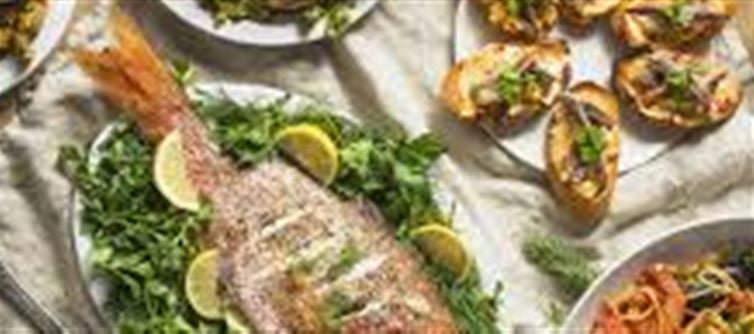

Christmas is celebrated globally on December 25 as the birth of Jesus Christ, though the bible does not specify the date. In Italy, one of the most cherished Christmas Eve traditions is the Feast of the Seven Fishes, a unique culinary celebration with deep cultural and religious significance.
1️⃣ The Origin of the Tradition
· Known in Italian as “La Vigilia” (The Vigil), christmas Eve is traditionally a day of abstinence from meat.
· Families would eat seafood instead, reflecting the Catholic practice of fasting before major religious holidays.
· The custom dates back hundreds of years, blending Italian culinary culture with Catholic observances.
2️⃣ Why Seven Fishes?
· The number seven holds spiritual significance in Catholicism:
o Represents the seven sacraments of the Church
o Symbolizes perfection and unity in Christian numerology
· Some families serve more than seven types of seafood, but the number seven remains the most traditional and symbolic.
3️⃣ Typical Dishes on the Table
· Popular choices include:
o Baccalà (salted cod)
o Calamari (squid)
o Shrimp and prawns
o Clams and mussels
o Fried smelts or anchovies
o Eel (in some regions)
o Lobster or crab
· Each dish varies depending on regional availability and family tradition.
4️⃣ The Spirit Behind the Feast
· Beyond the food, the Feast of the Seven fishes emphasizes:
o Family bonding: Gathering loved ones around the table
o Gratitude and reflection: Celebrating spiritual values before christmas Day
o Cultural heritage: Preserving Italian culinary and religious traditions
📌 Final Takeaway
The Feast of the Seven Fishes is more than a meal—it’s a ritual of faith, family, and culture. Italians honor both religious devotion and the joy of togetherness while savoring a diverse array of seafood, making christmas Eve a truly magical and meaningful experience.
Disclaimer:
The views and opinions expressed in this article are those of the author and do not necessarily reflect the official policy or position of any agency, organization, employer, or company. All information provided is for general informational purposes only. While every effort has been made to ensure accuracy, we make no representations or warranties of any kind, express or implied, about the completeness, reliability, or suitability of the information contained herein. Readers are advised to verify facts and seek professional advice where necessary. Any reliance placed on such information is strictly at the reader’s own risk..jpg)
 click and follow Indiaherald WhatsApp channel