


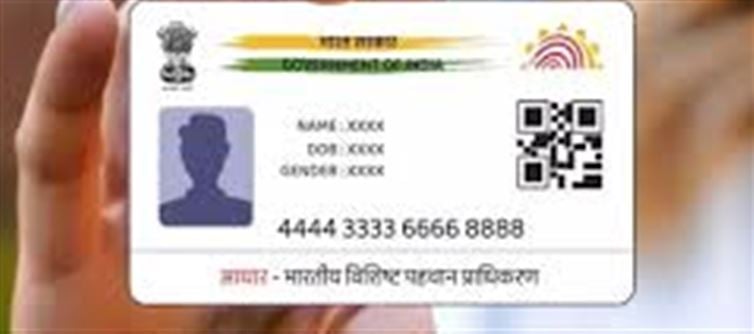

Government & Identity: Aadhaar, the 12-digit unique identification number issued by the government of India, is one of the most important identity documents for indian citizens. Recently, the UIDAI (Unique Identification Authority of India) has announced new rules regarding Aadhaar photocopies, which are set to roll out soon. These rules aim to enhance privacy and reduce misuse of personal data.
Key Changes in Aadhaar Rules
Ban on Photocopies
Institutions such as banks, hotels, event organizers, and government offices will no longer be allowed to take or store physical photocopies of Aadhaar cards.
This move is designed to prevent identity theft and unauthorized data storage.
Digital Verification via QR Code
Instead of photocopies, Aadhaar QR code scanning will be used for verification.
The QR code contains encrypted details of the Aadhaar holder, which can be securely scanned by authorized personnel to confirm identity.
Limited Data Sharing
Only essential details like name, photo, and Aadhaar number will be verified through the QR code.
Institutions cannot store or misuse personal information beyond verification purposes.
Increased Focus on Privacy
These rules align with India’s data protection priorities, reducing the chances of personal information being leaked, stolen, or misused.
How This Affects Citizens
- No More Physical Copies: You no longer need to submit photocopies of Aadhaar for most services.
- Faster Verification: QR code scanning is instant and secure, reducing paperwork.
- Enhanced Security: Your Aadhaar information stays safe in wallet PLATFORM' target='_blank' title='digital-Latest Updates, Photos, Videos are a click away, CLICK NOW'>digital form, minimizing the risk of fraud.
- Preparation Needed: Citizens should ensure their Aadhaar QR codes are updated and easily accessible on the card or wallet PLATFORM' target='_blank' title='digital-Latest Updates, Photos, Videos are a click away, CLICK NOW'>digital Aadhaar app.
Steps to Use QR Code Verification
Open your digital Aadhaar (mAadhaar) app or keep the physical Aadhaar card with the QR code ready.
Present it to the authorized person or institution for scanning.
The QR code will instantly verify your identity without storing sensitive data.
Conclusion
The UIDAI’s new rule banning Aadhaar photocopies is a major step toward privacy and security. By moving to digital verification via QR codes, the government aims to simplify identity checks while protecting citizens’ data. This change is expected to reduce identity theft, speed up processes, and make Aadhaar usage safer than ever.
Disclaimer:
The views and opinions expressed in this article are those of the author and do not necessarily reflect the official policy or position of any agency, organization, employer, or company. All information provided is for general informational purposes only. While every effort has been made to ensure accuracy, we make no representations or warranties of any kind, express or implied, about the completeness, reliability, or suitability of the information contained herein. Readers are advised to verify facts and seek professional advice where necessary. Any reliance placed on such information is strictly at the reader’s own risk..jpg)
 click and follow Indiaherald WhatsApp channel