


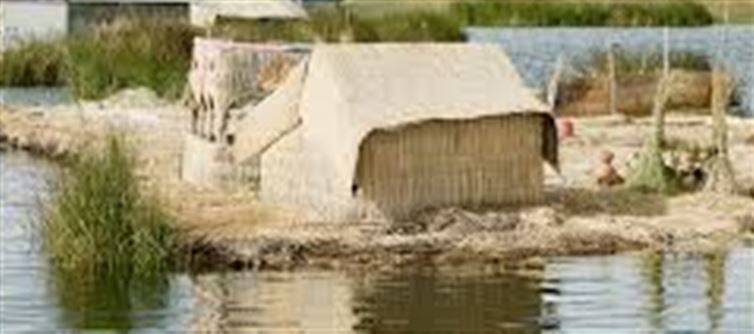

Travel & Adventure: Imagine waking up to gentle waves beneath your home instead of solid ground. Picture children who learn to paddle before they walk, markets that float on water, and villages that sway with the rhythm of the tides. Around the world, floating villages offer a glimpse into a lifestyle that is both enchanting and resilient, blending human ingenuity with nature’s flow.
Why Floating Villages Are Magical
Unique Lifestyle
Life on water creates a close-knit community, where neighbors are connected by boats instead of roads.
Daily activities, from schooling to shopping, are adapted to floating platforms and canoes, giving residents a deep connection to the water.
Picturesque Views
Sunrises and sunsets reflect on the water, creating stunning mirror-like landscapes.
Markets, houses, and temples literally float amidst rivers and lakes, offering a scene unlike any traditional village.
Cultural Experience
Visitors can experience traditional fishing, floating markets, and water festivals unique to these communities.
Crafts, cuisine, and rituals are deeply intertwined with the water-based lifestyle.
Notable Floating Villages Around the World
- Tonle Sap Floating Villages, Cambodia
- A UNESCO biosphere, homes rise and fall with the lake’s water levels.
- Floating schools and markets showcase a remarkable adaptation to seasonal flooding.
- Inle Lake Villages, Myanmar
- Famous for stilt houses, floating gardens, and leg-rowing fishermen.
- Tourists can enjoy canoe rides through serene waterscapes.
- Loktak Lake, india (Manipur)
- Known for its phumdis—floating biomass islands—supporting fishing villages.
- Offers a unique ecosystem and cultural insight into traditional water living.
- Ganvie, Benin
- Africa’s largest lake village, built by the Tofinu people.
- Houses are built on stilts, and the community thrives entirely on fishing and lake transport.
Tips for Visiting Floating Villages
Go by boat: local boats are the only way to navigate and truly explore.
Respect local customs: These communities often live minimally and sustainably.
Plan for water-based accommodations: Stay in floating guesthouses where available.
Pack light and waterproof: Essentials like cameras, clothes, and money should be protected from water.
Conclusion
Floating villages are more than a tourist destination—they are living lessons in adaptation, community, and harmony with nature. For travelers seeking serene waters, cultural immersion, and a touch of magic, these villages offer an experience that lingers long after the journey ends.
Disclaimer:
The views and opinions expressed in this article are those of the author and do not necessarily reflect the official policy or position of any agency, organization, employer, or company. All information provided is for general informational purposes only. While every effort has been made to ensure accuracy, we make no representations or warranties of any kind, express or implied, about the completeness, reliability, or suitability of the information contained herein. Readers are advised to verify facts and seek professional advice where necessary. Any reliance placed on such information is strictly at the reader’s own risk..jpg)
 click and follow Indiaherald WhatsApp channel