


 Rajgira: The Superfood Eaten During Fasting with Numerous Health Benefits and Rich Nutritional Value
Rajgira, also known as Amaranth or Amaranthus, is often referred to as a "superfood" due to its exceptional nutritional value and health benefits. Traditionally consumed during fasting periods such as Navratri, Rajgira has gained significant popularity in recent years as people have become more conscious of healthy eating. Whether you're fasting for religious reasons or looking for a nutritious addition to your diet, Rajgira offers a wealth of benefits that go beyond its use during fasting.
Here’s everything you need to know about this powerful food:
1. What is Rajgira?
Rajgira is the seed of the Amaranth plant, which belongs to the Amaranthaceae family. This plant is native to Central and South America, but it has been widely cultivated in india and other parts of the world for centuries. Known for its tiny, round, reddish-brown or golden seeds, Rajgira is a gluten-free, high-protein, and nutrient-dense food that has been used for centuries by various cultures, especially during fasting periods.
Though it’s often thought of as a grain, Rajgira is technically a pseudocereal, meaning it’s not a true grain like wheat or rice, but it can be used in much the same way.
2. health Benefits of Rajgira
A. Boosts Energy Levels
Rajgira is an excellent source of complex carbohydrates, which provide a steady release of energy. Whether you’re fasting or not, eating Rajgira helps maintain your energy levels throughout the day. It’s especially beneficial during fasting periods like Navratri, when energy needs are heightened due to altered eating patterns.
B. Supports Digestive Health
Rajgira is high in fiber, which aids in digestion and helps prevent constipation. The fiber content not only promotes healthy bowel movements but also supports a healthy gut microbiome, ensuring smooth digestion. It can also keep you feeling fuller for longer, reducing the likelihood of overeating during fasting.
C. High in Protein
Amaranth seeds are rich in plant-based protein, making it an excellent option for vegetarians and vegans. The protein in Rajgira contains all nine essential amino acids, which are typically only found in animal-based proteins, earning it the title of a complete protein. This makes Rajgira an essential food for those looking to build or maintain muscle mass, especially during fasting.
D. Rich in Micronutrients
Rajgira is packed with vitamins and minerals, including:
· Iron: Important for maintaining healthy blood cells and preventing iron-deficiency anemia.
· Magnesium: Essential for muscle and nerve function.
· Calcium: Supports bone health and prevents bone-related conditions.
· Phosphorus: Important for maintaining healthy bones, teeth, and energy production.
E. Controls Blood Sugar
Rajgira has a low glycemic index, making it a great choice for those looking to manage their blood sugar levels. It can help regulate blood sugar by releasing glucose gradually into the bloodstream, making it a good option for people with diabetes or those trying to maintain stable energy levels throughout the day.
F. Supports heart Health
Rich in healthy fats, especially omega-3 fatty acids, Rajgira can contribute to lowering cholesterol levels and improving heart health. These healthy fats help reduce inflammation in the body, a key factor in heart disease.
3. How to Incorporate Rajgira into Your Diet
During fasting periods, Rajgira can be used in various delicious ways. Here are a few easy and popular ways to incorporate it into your diet:
A. Rajgira Flour (Singhada Atta)
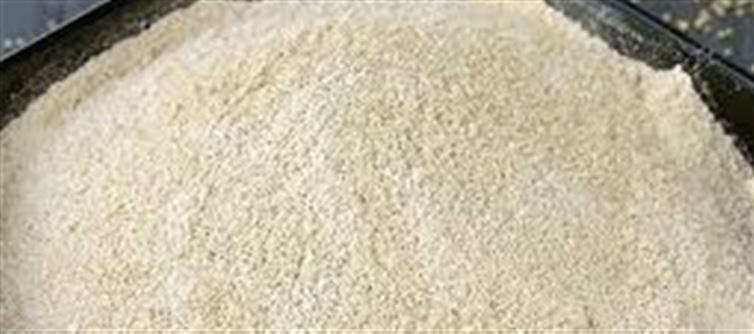
Rajgira flour is made by grinding the seeds into a fine powder. It can be used to make parathas, puris, rotis, and even khakra. This is a great option for a filling meal while fasting, and it’s also light on the stomach.
B. Rajgira Chappati
A healthier alternative to regular chappatis, Rajgira chappatis are made with Rajgira flour, which is gluten-free and high in protein, making it a nutritious choice during fasting.
C. Rajgira Laddoos
Rajgira laddoos are a popular treat during fasting seasons like Navratri. These laddoos are often made with ghee, jaggery, and Rajgira flour, offering a sweet, satisfying snack that’s rich in essential nutrients.
D. Rajgira Porridge
Rajgira porridge is an excellent breakfast option for those fasting. You can cook Rajgira seeds in water or milk and top it with some fruits, nuts, and a drizzle of honey for a nutrient-packed meal.
E. Rajgira Seeds as a Snack
Roast Rajgira seeds and sprinkle a bit of salt or enjoy them plain as a crunchy snack. You can also add roasted seeds to salads, soups, or use them as a topping for yogurt.
4. Nutritional Breakdown of Rajgira (Amaranth)
Here’s a look at the key nutrients in 100 grams of Rajgira:
· Calories: 371 kcal
· Protein: 14 grams
· Fat: 7 grams
· Carbohydrates: 66 grams
· Fiber: 7 grams
· Iron: 5.2 mg (approximately 29% of your daily requirement)
· Calcium: 159 mg
· Magnesium: 248 mg
· Phosphorus: 282 mg
5. Is Rajgira Suitable for Everyone?
While Rajgira is generally considered a healthy, versatile superfood, it’s important to consider any personal dietary restrictions:
· Gluten-Free: Rajgira is naturally gluten-free, making it an excellent choice for those with gluten sensitivities or celiac disease.
· High in Oxalates: Rajgira contains oxalates, which can interfere with calcium absorption and may contribute to kidney stone formation in susceptible individuals. If you have a history of kidney stones, it’s advisable to consult a healthcare provider before consuming large quantities.
6. Conclusion: A Nutrient-Packed Superfood for Fasting and Beyond
Rajgira is an incredibly nutritious food that provides numerous benefits, especially during fasting periods like Navratri. Whether you’re seeking to improve digestion, maintain healthy blood sugar levels, or boost your overall energy, Rajgira is an excellent addition to your diet. With its rich protein content, high fiber, and essential minerals, this superfood is perfect for anyone looking to maintain a balanced, healthy lifestyle.
Disclaimer:
The views and opinions expressed in this article are those of the author and do not necessarily reflect the official policy or position of any agency, organization, employer, or company. All information provided is for general informational purposes only. While every effort has been made to ensure accuracy, we make no representations or warranties of any kind, express or implied, about the completeness, reliability, or suitability of the information contained herein. Readers are advised to verify facts and seek professional advice where necessary. Any reliance placed on such information is strictly at the reader’s own risk.
 click and follow Indiaherald WhatsApp channel