


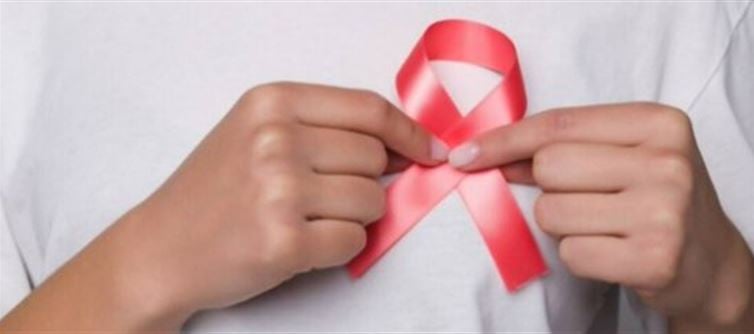

ICMR Report Highlights Rising Breast cancer Risk
Breast cancer Among Top Cancers in indian Women
A recent ICMR study confirms that breast cancer is one of the three major cancers affecting women in India.
The study analyzed 31 studies involving 27,925 participants, with 45% diagnosed with breast cancer.
Women over 50 years of age are three times more likely to develop breast cancer.
Key Risk Factors Identified
Factors increasing risk include reproductive history, hormonal exposure, abdominal fat, and family history of cancer.
Late menopause (after 50), first pregnancy after 30, late marriage, multiple abortions, and waist-to-hip ratio over 85 cm are linked to higher risk.
Women aged 35-50 have a 1.63 times higher risk, indicating even middle-aged women need awareness.
Obesity and Belly Fat as Major Risks
High prevalence of abdominal fat and obesity is contributing to increasing breast cancer rates in India.
Low BMI has also been identified as a potential risk factor, highlighting the need for healthy body weight maintenance.
Reducing excess fat around the abdomen is crucial for cancer prevention.
Other Women’s Cancers of Concern
Cervical cancer remains a major concern, linked to HPV infection and lack of regular screenings.
Timely screening and vaccination can prevent most cervical cancer cases, but late detection remains a problem due to low awareness.
Preventive Measures Recommended
Plan pregnancies early, avoid alcohol and smoking, maintain a healthy weight, and stay physically active.
Breastfeeding for several months reduces risk.
Minimize exposure to pollution and plastics, undergo regular medical check-ups, and consider family history when assessing risk.
Awareness is essential as cancer is now increasingly affecting young women and girls under 20.
Rising cancer Cases in India
In 2024, india reported approximately 1.53 million new cancer cases, reflecting a rapid increase.
Experts warn that if current trends continue, the cancer burden could rise significantly by 2050, emphasizing the need for prevention and awareness programs.
Disclaimer:
The information contained in this article is for general informational purposes only. While we strive to ensure accuracy, we make no warranties or representations of any kind, express or implied, about the completeness, accuracy, reliability, suitability, or availability of the content. Any reliance you place on the information is strictly at your own risk. The views, opinions, or claims expressed in this article are those of the author and do not necessarily reflect the official policy or position of any organization mentioned. We disclaim any liability for any loss or damage arising directly or indirectly from the use of this article.
 click and follow Indiaherald WhatsApp channel