


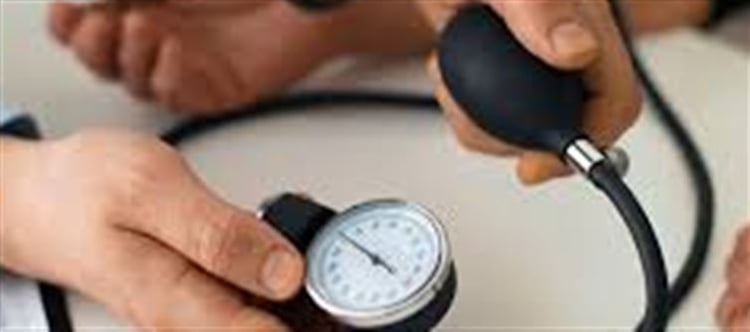

Many people monitor their blood pressure (BP) irregularly and might not realize that high blood pressure in the morning can be particularly concerning. Studies suggest that morning spikes in blood pressure are linked to an increased risk of heart attack, stroke, and other cardiovascular complications. Understanding the causes and management strategies is crucial for heart health.
Why blood pressure Can Be High in the Morning
Natural Circadian Rhythm
Blood pressure follows a daily cycle, usually lowest at night and peaks in the morning upon waking.
Hormones like cortisol and adrenaline rise in the morning, naturally increasing BP.
Morning Surge
A rapid increase in blood pressure within the first few hours of waking is called a morning surge.
People with hypertension may experience exaggerated surges, increasing stress on the heart and arteries.
Lifestyle Factors
High salt intake, poor sleep, stress, or late-night caffeine consumption can worsen morning BP.
Sedentary lifestyle and obesity also contribute to morning hypertension risk.
Health Risks Associated with Morning High BP
Increased Risk of heart Attack
Morning bp spikes can trigger plaque rupture in arteries, leading to heart attacks.
Higher Stroke Risk
Sudden surges in bp can damage blood vessels in the brain, increasing stroke risk, particularly ischemic or hemorrhagic strokes.
Kidney and Eye Damage
Persistent morning hypertension can affect kidney function and retinal blood vessels, leading to complications over time.
How to Monitor and Manage Morning Blood Pressure
Regular Monitoring
Measure bp at the same time every morning using a validated home bp monitor.
Keep a log to share with your doctor.
Medication Timing
If prescribed antihypertensive medications, consult your doctor about taking certain drugs at night to reduce morning spikes.
Lifestyle Adjustments
Reduce salt intake and avoid processed foods.
Engage in regular physical activity.
Maintain a healthy weight.
Stress Management
Practice meditation, yoga, or deep breathing exercises to reduce bp surges.
Avoid Triggers Before Bed
Limit caffeine and alcohol in the evening.
Ensure adequate sleep, as poor sleep can worsen morning BP.
When to See a Doctor
Seek medical attention immediately if you notice:
- BP readings consistently above 140/90 mmHg in the morning
- Chest pain, shortness of breath, or dizziness
- Signs of stroke, such as sudden weakness, facial droop, or difficulty speaking
Key Takeaways
- Morning blood pressure spikes are common, but exaggerated surges can signal serious cardiovascular risk.
- Regular monitoring, proper medication timing, lifestyle changes, and stress management are crucial to protect your heart and overall health.
- Always consult a healthcare professional for personalized guidance if you have hypertension.
Disclaimer:
The views and opinions expressed in this article are those of the author and do not necessarily reflect the official policy or position of any agency, organization, employer, or company. All information provided is for general informational purposes only. While every effort has been made to ensure accuracy, we make no representations or warranties of any kind, express or implied, about the completeness, reliability, or suitability of the information contained herein. Readers are advised to verify facts and seek professional advice where necessary. Any reliance placed on such information is strictly at the reader’s own risk.
 click and follow Indiaherald WhatsApp channel