
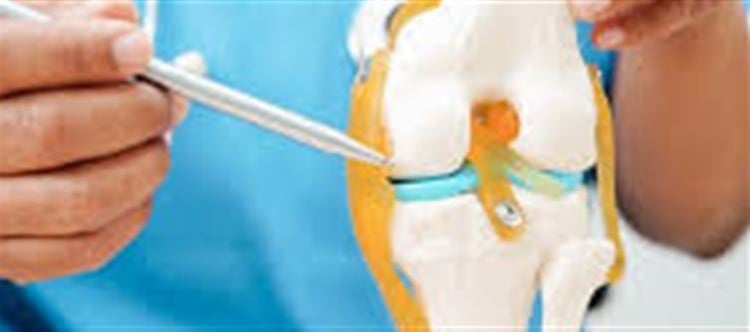


Total knee replacement (TKR) is a major surgical procedure aimed at relieving pain and restoring function in patients with severe knee joint damage. Not every patient with knee pain is an ideal candidate, so orthopedic specialists conduct a thorough evaluation to determine whether surgery is appropriate.
1. Understanding the Patient’s Medical History
Orthopedic specialists begin by collecting a comprehensive medical history, which helps them identify underlying conditions that may impact surgery or recovery.
a. history of Knee Problems
- Duration and progression of knee pain
- Previous injuries or surgeries
- History of arthritis (osteoarthritis, rheumatoid arthritis, post-traumatic arthritis)
b. General health Assessment
- Cardiovascular and pulmonary status
- Presence of diabetes, obesity, or autoimmune disorders
- Medication usage that may affect surgery (e.g., blood thinners)
c. lifestyle Considerations
- Activity level and daily functional limitations
- Occupational demands and mobility needs
2. Assessing Symptoms and Functional Limitations
Specialists evaluate the severity of symptoms and how they interfere with daily life.
a. Pain Evaluation
- Intensity and frequency of knee pain
- Pain during rest, walking, or climbing stairs
b. Functional Impairment
- Difficulty in performing routine activities (e.g., walking, sitting, squatting)
- Impact on quality of life and independence
c. Response to Non-Surgical Treatments
- Effectiveness of medications, physical therapy, or injections
- Duration of relief from conservative management
3. Physical Examination of the Knee
A detailed physical exam helps assess structural and functional problems.
a. Range of Motion
- Measuring flexion and extension
- Identifying stiffness or contractures
b. Joint Stability
- Checking for ligament laxity or weakness
- Evaluating alignment and deformity (varus or valgus)
c. Swelling and Tenderness
- Detecting inflammation, fluid accumulation, or bone abnormalities
- Identifying tender areas or nodules
4. Imaging and Diagnostic Tests
Imaging helps confirm the diagnosis and plan surgical intervention.
a. X-Rays
- Detecting joint space narrowing, bone spurs, and deformities
- Assessing alignment and severity of arthritis
b. MRI or CT Scans
- Evaluating soft tissue structures (ligaments, cartilage)
- Identifying hidden injuries or complex deformities
c. Laboratory Tests
- Blood tests to assess overall health
- Screening for infection or inflammatory conditions if necessary
5. Evaluating Surgical Risk
Orthopedic specialists must determine whether the patient can safely undergo anesthesia and surgery.
a. Preoperative health Assessment
- Cardiologist or internist consultation for patients with chronic conditions
- Pulmonary function tests for patients with respiratory issues
b. Risk-Benefit Analysis
- Comparing expected improvement in quality of life with surgical risks
- Considering alternative treatments if risk is high
6. Patient Expectations and Goals
Understanding the patient’s goals is essential for a successful outcome.
- Discussing realistic expectations for pain relief and mobility
- Clarifying the limitations of total knee replacement
- Educating patients about rehabilitation and recovery timeline
7. Final Decision and Surgical Planning
After evaluation, the orthopedic team decides whether the patient is a suitable candidate.
- Scheduling surgery if the patient meets criteria
- Planning type of implant and surgical approach
- Preoperative counseling and rehabilitation planning
Conclusion
Total knee replacement is a life-changing procedure for patients with severe knee arthritis or injury. Orthopedic specialists carefully evaluate medical history, physical condition, imaging results, surgical risks, and patient expectations to ensure that the surgery provides maximum benefit while minimizing complications. Thorough evaluation and preparation are key to achieving optimal outcomes and restoring mobility.
Disclaimer:
The views and opinions expressed in this article are those of the author and do not necessarily reflect the official policy or position of any agency, organization, employer, or company. All information provided is for general informational purposes only. While every effort has been made to ensure accuracy, we make no representations or warranties of any kind, express or implied, about the completeness, reliability, or suitability of the information contained herein. Readers are advised to verify facts and seek professional advice where necessary. Any reliance placed on such information is strictly at the reader’s own risk.
 click and follow Indiaherald WhatsApp channel