


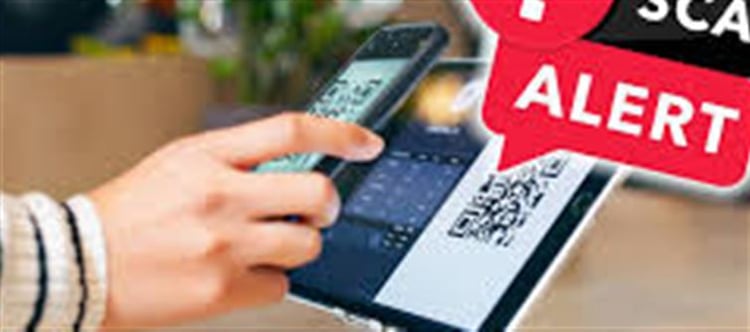

Digital payments using QR codes have made transactions faster and convenient. But cybercriminals are increasingly exploiting QR codes to steal money and sensitive banking information. Here’s what you need to know to protect yourself and your finances.
1. How the QR Code Scam Works
QR codes are normally used to link payments to a merchant’s bank account. Scammers, however, can create fake QR codes that:
- Redirect your payment to their account instead of the intended recipient.
- Steal your banking credentials if you scan and follow malicious prompts.
- Install malware on your phone through fake QR links.
Even if the QR looks legitimate — on a poster, receipt, or whatsapp message — it could be a trap.
2. Common Places Where Scammers Target Users
- Restaurants and cafes: Fake QR stickers placed over the original ones.
- Online marketplaces and social media posts: Scammers post QR codes claiming offers or refunds.
- Public events or local shops: Temporary stalls with counterfeit QR codes.
- WhatsApp, SMS, and emails: Links claiming prizes, cashback, or refunds.
3. 5 Ways to Protect Yourself from QR Code Scams
1️⃣ Verify Before Scanning
- Confirm the QR code belongs to the official merchant or service provider.
- Check for tampered stickers over existing QR codes.
2️⃣ Use Secure Payment Apps
- Only use official banking or UPI apps for QR scanning.
- Avoid third-party or unofficial apps claiming extra cashback.
3️⃣ Avoid Clicking Suspicious Links
- QR codes that redirect to unknown websites could be phishing sites.
- Never enter OTP, PIN, or password prompted after scanning an unknown QR code.
4️⃣ Check Transaction Details
- Always verify the payee name before confirming the transaction.
- If the merchant name looks suspicious or blank, cancel the payment immediately.
5️⃣ Keep Your phone Secure
- Enable app permissions and two-factor authentication (2FA).
- Update your phone’s operating system and payment apps to the latest versions.
- Install antivirus or malware protection apps.
4. What to Do If You Fall Victim
- Immediately block your UPI ID or debit/credit card using the app or bank helpline.
- Report the scam to your bank — they may reverse unauthorized transactions if reported quickly.
- File a complaint with cybercrime authorities online through the Cyber Crime Portal.
- Keep records of the transaction, QR code, and any communication for investigation.
5. Stay Informed and Alert
- Avoid sharing UPI PINs or banking OTPs with anyone.
- Educate friends and family about QR code safety.
- Watch out for too-good-to-be-true offers that require scanning a QR code.
Awareness is the best defense — most QR code scams can be prevented by simply verifying and double-checking before scanning.
✅ Final Takeaway
QR codes are convenient but can be exploited by fraudsters. Always verify the source, use trusted apps, and never share sensitive banking information. A few seconds of caution can prevent financial loss and identity theft.
Disclaimer:
The views and opinions expressed in this article are those of the author and do not necessarily reflect the official policy or position of any agency, organization, employer, or company. All information provided is for general informational purposes only. While every effort has been made to ensure accuracy, we make no representations or warranties of any kind, express or implied, about the completeness, reliability, or suitability of the information contained herein. Readers are advised to verify facts and seek professional advice where necessary. Any reliance placed on such information is strictly at the reader’s own risk.
 click and follow Indiaherald WhatsApp channel