


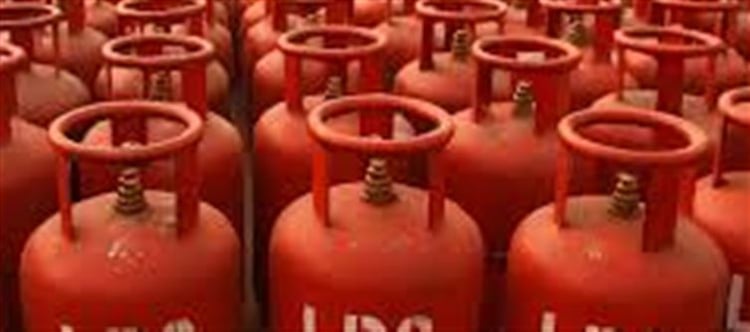

As global energy markets remain stressed due to ongoing geopolitical tensions — particularly around the Middle east and the Strait of Hormuz — governments worldwide are scrambling to manage supply volatility and rising fuel costs. In india, the Centre has moved swiftly to mitigate potential disruptions in essential fuels like liquefied petroleum gas (LPG).
📈 Why the LPG Move Matters
The current global energy situation has significantly disrupted oil and gas supply chains, with much of the world’s petroleum and LPG passing through critical shipping routes that have been affected by conflict and instability. Disruptions at the Strait of Hormuz have impacted about 20 % of global oil flows, contributing to volatility in energy prices and availability.
Against this backdrop, the indian government has announced a 20 % increase in LPG allocations to states and Union territories to ensure steady supply for industries and households.
🚛 What the 20 % Increase Means
- The Ministry of Petroleum and Natural Gas issued directives to state governments to increase LPG allocations by 20 % above previously planned levels.
- This brings the commercial LPG allocation up to around 70 % of pre‑crisis levels to help support labour‑intensive industries and essential services.
- The move is designed to stabilise supply chains for sectors like manufacturing, hospitality, food processing and other industrial consumers that heavily rely on LPG.
Government officials have also reassured citizens that domestic LPG and other fuel supplies remain sufficient, and that proactive steps are being taken to dampen any impact from global price spikes.
🏭 Industrial & Economic Concerns
The LPG sector has faced strain due to reduced commercial cylinder deliveries in some regions, leading to operational challenges for small and medium enterprises (MSMEs). In cities like Coimbatore, reports suggest that some manufacturing units have been temporarily shut or forced to scale down due to supply shortages and steep input cost increases.
By increasing LPG allocations, the government aims to reduce such disruptions and support continuity in industrial production — a critical factor especially when global markets are shaken by energy supply constraints.
🏡 What This Means for Consumers
Although this announcement focuses primarily on commercial LPG allocations (used by factories, eateries, and other enterprises), the government has also emphasised that household LPG availability remains stable and that steps are underway to ensure cooking gas cylinders continue to be delivered to homes without restrictions.
🧠 Why the government Took This Step
Supply Chain Risks: Global conflicts have squeezed international LPG flows and raised price volatility.
Import Dependence: india imports a significant portion of its LPG requirements, making it sensitive to external disruptions.
Economic Stability: Ensuring fuel availability mitigates inflationary pressures on industries and households.
Energy Security: Diversifying and managing allocations helps guard against supply shocks.
📌 Final Takeaway
The 20 % increase in LPG allocation is part of a broader strategy by the government to handle global energy pressures head‑on, ensuring that both industrial sectors and citizens can access essential fuels even as oil and gas markets face instability. This proactive step reflects a balancing act between managing international risks and safeguarding domestic supply continuity.
Disclaimer:
The views and opinions expressed in this article are those of the author and do not necessarily reflect the official policy or position of any agency, organization, employer, or company. All information provided is for general informational purposes only. While every effort has been made to ensure accuracy, we make no representations or warranties of any kind, express or implied, about the completeness, reliability, or suitability of the information contained herein. Readers are advised to verify facts and seek professional advice where necessary. Any reliance placed on such information is strictly at the reader’s own risk.
 click and follow Indiaherald WhatsApp channel