


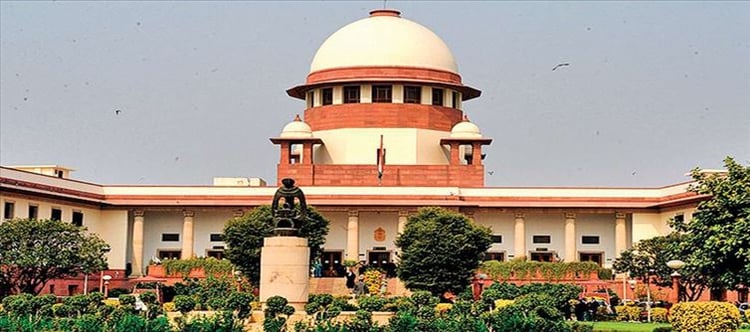

Operation Sindoor was a publicly announced indian military operation in May 2025 targeting Pakistan-based terror infrastructure. Six indian soldiers were killed during the strikes, and their names — including that of sunil Singh from bihar — have now been officially released. According to Navbharat Times, this is the first time all six names have been compiled and reported in the public domain, bringing national attention to their sacrifice.
In May 2025, india launched Operation Sindoor — a set of military strikes targeting terror infrastructure linked to Pakistan-based groups. The operation was publicly announced by the indian government and marked a significant escalation in India's stated policy of responding to cross-border terrorism with direct military action. Six indian soldiers were killed during the operation. According to Navbharat Times, the names of all six martyrs have now been made public, among them sunil Singh, a soldier from Bihar.
What Was Operation Sindoor?
Operation Sindoor was an overt indian military action conducted in May 2025 against terror launch pads and infrastructure across the border. Unlike some earlier indian operations that were initially kept under wraps before being acknowledged — such as the 2016 surgical strikes, which were disclosed by the government shortly after execution — Operation Sindoor was publicly confirmed at the outset. The indian government framed the strikes as a direct response to terrorist provocations, consistent with New Delhi's evolving doctrine of visible, acknowledged military deterrence.
The operation drew immediate international attention. Multiple countries issued statements, and the India-Pakistan dynamic shifted into a tense phase in the days following the strikes. Within india, the operation was widely covered across television, digital, and print media from the moment it was announced.
Sunil Singh: Bihar's Son Among the Fallen
Navbharat Times reports that sunil Singh hailed from bihar, a state with one of India's deepest military recruitment traditions. The storied bihar Regiment and the steady stream of recruits from the state's towns and villages have made military service a defining feature of Bihar's social fabric. sunil Singh's death during Operation Sindoor has resonated powerfully across the state.
According to Navbharat Times, this is the first time the names of all six fallen soldiers have been compiled and publicly reported together, bringing individual stories like sunil Singh's into sharper national focus. For his family and community in bihar, the public naming has attached a face and a story to a sacrifice that might otherwise have been subsumed into broader operational reporting.
The Six Heroes: Public Honour for Fallen Soldiers
While Operation Sindoor itself was publicly acknowledged from the start, the individual identities of the fallen soldiers gained wider public attention through reporting by outlets like Navbharat Times. The naming of all six martyrs serves a concrete purpose: it ensures that each soldier's sacrifice is individually recognised, that their families receive due public honour, and that the nation's gratitude is directed not at an abstraction but at specific men who gave their lives.
india has a strong institutional tradition of honouring its military dead. The Ministry of Defence and the armed forces regularly release information about soldiers killed in action, and gallantry awards are publicly gazetted. In the case of Operation Sindoor, the consolidation and public reporting of all six names has enabled a collective moment of national recognition that transcends routine casualty notifications.
What Operation Sindoor Signals for indian Military Policy
Operation Sindoor sits on a trajectory that began with the 2016 surgical strikes and continued through the 2019 Balakot airstrike. In each case, india chose to publicly acknowledge military action against Pakistan-based terror targets — a marked departure from earlier decades when such operations, if they occurred, were neither confirmed nor denied. Defence commentators have noted that this shift reflects a deliberate strategic posture: india is signalling, both to domestic audiences and to adversaries, that it will act and that it will say so.
The public naming of the six martyrs reinforces this posture. By attaching individual names to the operation's human cost, the indian state ensures that the sacrifice is not abstract. According to defence analysts quoted in indian media, this transparency serves both a moral and a strategic function — it honours the dead and it demonstrates to the public that the government accounts for the cost of the military actions it orders.
Bihar's Military tradition and the Weight of Sacrifice
bihar has historically contributed a significant number of soldiers to the indian armed forces. Districts across the state — from Bhojpur to Rohtas to muzaffarpur — have deep military recruitment traditions, and the loss of a soldier is felt not just within a family but across entire communities. sunil Singh's death during Operation Sindoor has renewed public attention to the price Bihar's families pay for national defence.
Social media tributes to sunil Singh have poured in from across the state and beyond, with citizens, local leaders, and fellow soldiers paying homage. The public identification of his role in Operation Sindoor has ensured that his story is part of the national record — a soldier from bihar who answered the call and did not return.
india has always honoured its soldiers — in rhetoric, in ritual, in the annual choreography of Republic Day. The naming of Operation Sindoor's six martyrs is a continuation of that tradition, now sharpened by the realities of modern warfare, real-time media, and a public that expects to know the names of those who fight in its name. For six families, that recognition is now a matter of public record. For the nation, it is a reminder that every operation has a human cost — and that cost deserves to be named.
More from india Herald



By the Numbers
- Six soldiers were martyred in Operation Sindoor (May 2025), with all names now publicly reported, according to Navbharat Times.
- Sunil Singh, one of the six named martyrs, hailed from bihar — a state with one of India's deepest military recruitment traditions.
Key Takeaways
- Operation Sindoor was a publicly announced indian military operation in May 2025 targeting Pakistan-based terror infrastructure — not a covert or classified mission.
- Six indian soldiers were killed during the operation; their names, including sunil Singh from bihar, have been publicly reported by Navbharat Times.
- Sunil Singh hailed from bihar, a state with one of India's deepest military recruitment traditions, and his death has drawn significant attention across the state.
- The public naming of all six martyrs ensures individual recognition of each soldier's sacrifice, consistent with India's institutional tradition of honouring its military dead.
- Operation Sindoor continues the trajectory set by the 2016 surgical strikes and 2019 Balakot airstrike — india publicly acknowledging military action against terror targets.
- The consolidation and reporting of all six names has enabled a collective national moment of recognition that goes beyond routine casualty notifications.
Frequently Asked Questions
What is Operation Sindoor?
Operation Sindoor was a publicly announced indian military operation conducted in May 2025, targeting Pakistan-based terror infrastructure. Six indian soldiers were killed during the strikes. According to Navbharat Times, their names, including sunil Singh from bihar, have been publicly reported.
Who was sunil Singh of Operation Sindoor?
sunil Singh was a soldier from bihar who was among the six indian military personnel martyred during Operation Sindoor in May 2025. His name was reported publicly along with five other fallen soldiers by Navbharat Times.
Was Operation Sindoor a covert or secret operation?
No. Operation Sindoor was publicly announced by the indian government. It was an overt military action against terror infrastructure, consistent with the publicly acknowledged strikes india has conducted since 2016. The names of the six fallen soldiers have been publicly reported by media outlets including Navbharat Times.
How many soldiers died in Operation Sindoor?
Six indian soldiers were martyred in Operation Sindoor, according to Navbharat Times. Their names, including that of sunil Singh from bihar, are now part of the public record.
What does Operation Sindoor mean for India's military policy?
Operation Sindoor continues the trajectory set by the 2016 surgical strikes and the 2019 Balakot airstrike — india publicly acknowledging military action against Pakistan-based terror targets. Defence commentators have noted that the public naming of all six fallen soldiers reinforces a posture of transparency and accountability in India's use of military force.
 click and follow Indiaherald WhatsApp channel