


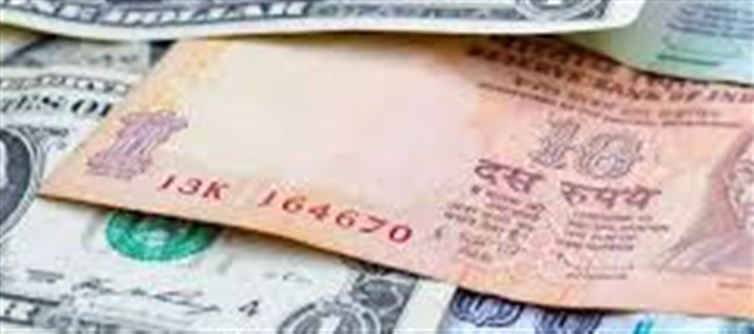

India's economic influence is continuing to grow, and a major shift is happening in the global financial landscape. The Indian rupee (INR) is gaining momentum on the international stage, thanks to strategic moves by the Reserve Bank of india (RBI). These efforts are helping to strengthen the rupee and reduce India's reliance on the US dollar in international trade.
In this article, we’ll take a closer look at how the RBI’s new initiatives are boosting the indian rupee’s role in global trade and what this means for India’s economy in the long run.
1. The RBI’s Push to Internationalize the indian Rupee
The Reserve Bank of india (RBI) has been pushing for the internationalization of the indian rupee for several years now, with the goal of making it a more prominent currency in global trade. As part of this, the RBI has introduced various measures aimed at facilitating cross-border transactions in rupees, reducing the dependency on major global currencies like the US dollar.
One of the key initiatives is the launch of the Indian rupee settlement mechanism, which allows businesses in countries like Russia, Sri Lanka, and Mauritius to trade in rupees rather than dollars or euros. This has led to increased adoption of the INR in regions that were previously dollar-dependent.
2. Key RBI Measures That Are Helping the Rupee Gain Ground
Several initiatives by the RBI have contributed to the rise of the indian rupee in global markets. These steps are directly influencing foreign exchange markets, making it easier for businesses around the world to use the rupee for trade and investment.
· Rupee Trade Agreements: india has been actively engaging with countries to promote bilateral trade agreements where the rupee is the primary currency for settlement. This is particularly evident in sectors like energy, agriculture, and manufacturing.
· Increased Acceptance in Global Payments: The RBI has made it easier for foreign businesses to accept payments in INR by removing certain restrictions and simplifying the currency exchange process. This is part of a broader push to make the rupee a globally recognized currency for trade.
· Trade in National Currencies: Agreements have been made with countries such as Russia and the UAE to conduct trade in their local currencies instead of the US dollar. This further reduces India’s dependence on the dollar and strengthens the rupee’s global standing.
3. Advantages of Strengthening the indian Rupee in Global Trade
India’s efforts to promote the rupee in international trade come with several significant advantages for both the economy and businesses. Here’s how a stronger rupee will benefit India:
· Reduced Dollar Dependence: By conducting more trade in rupees rather than the dollar, india can insulate itself from fluctuations in the global dollar exchange rate, which is often influenced by factors outside the country’s control.
· Lower Transaction Costs: Trading in rupees eliminates the need for currency conversion, which can incur high transaction costs. This is especially advantageous for businesses involved in cross-border trade.
· Boost to Exports: The rupee’s rising global profile means that indian exporters can now deal in their own currency rather than having to convert to dollars, which can sometimes cause losses due to currency exchange fluctuations. This makes indian goods and services more attractive to international buyers.
· Strengthening India’s Financial Sector: A global rise in the rupee’s usage in trade could position india as a more powerful player in the global financial ecosystem, attracting foreign investment and improving the country’s overall economic stability.
4. Impact on Global Trade Relations: India’s Growing Influence
India’s increasing influence on global trade is evident through the growing network of countries adopting the rupee for bilateral trade. With the help of strategic financial agreements, india is pushing for de-dollarization in regions where trade had previously been dominated by the US dollar.
· Russia: Following international sanctions, russia has turned to india to settle trade in rupees, further integrating the indian rupee into the global trade system.
· Southeast Asia & Africa: Countries in these regions are increasingly willing to conduct trade with india in rupees due to India’s growing influence and economic stability. Sri Lanka, Mauritius, and other nations in the Indian Ocean region are increasingly looking to engage with india in the local currency.
5. The Long-Term Benefits: How the Rupee's Rise Strengthens India's Economy
While the immediate effects of the rupee’s rise in global trade are visible, the long-term benefits could be transformative for India. Here’s how:
· Foreign Exchange Reserves: A stronger rupee will likely increase India’s foreign exchange reserves, helping to stabilize the currency and reduce the need for interventions in the foreign exchange market.
· Global Investment: As the rupee becomes more widely accepted in international trade, it could pave the way for greater foreign direct investment (FDI), making india a more attractive destination for global capital.
· Monetary Policy Flexibility: With the rupee’s rising internationalization, India’s central bank, the RBI, will have more flexibility in managing monetary policy and controlling inflation. The country could become less reliant on external factors that affect the value of the dollar.
6. The Road Ahead: Challenges and Opportunities
While the RBI’s moves to internationalize the rupee are promising, there are still challenges to overcome. Global currency markets are complex, and the indian rupee will need continued support through strategic partnerships and stable economic policies to secure its place in the world.
However, the opportunities are immense. The push to de-dollarize global trade and increase the rupee’s acceptance could place india in a position to leverage its growing economic power, further solidifying its role as an emerging global leader.
7. Conclusion: A Bold Step Toward Economic Autonomy
The RBI’s efforts to strengthen the indian rupee and reduce the country’s dependence on the US dollar are proving to be a game-changer for India’s global trade strategy. By increasing the use of the rupee in international transactions, india is empowering its economy and enhancing its position in the global financial ecosystem.
For businesses, this shift offers new opportunities for cost savings, while india as a nation stands to gain long-term benefits, such as financial stability, global recognition, and increased foreign investment. As the indian rupee continues to rise in international markets, India’s future in global trade looks more promising than ever.
Disclaimer:
The views and opinions expressed in this article are those of the author and do not necessarily reflect the official policy or position of any agency, organization, employer, or company. All information provided is for general informational purposes only. While every effort has been made to ensure accuracy, we make no representations or warranties of any kind, express or implied, about the completeness, reliability, or suitability of the information contained herein. Readers are advised to verify facts and seek professional advice where necessary. Any reliance placed on such information is strictly at the reader’s own risk..jpg)
 click and follow Indiaherald WhatsApp channel