


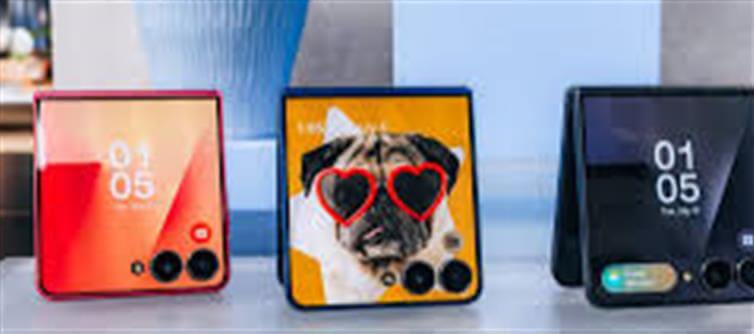

Foldable smartphones are one of the most talked-about innovations in the mobile industry. Their sleek designs, large screens, and futuristic appeal make them extremely attractive. However, beneath the glossy exterior, foldable phones come with some significant drawbacks that may not suit every user.
1. Fragility and Durability Concerns
Foldable phones rely on complex hinge mechanisms and flexible displays, which makes them more fragile than traditional smartphones. Common issues include:
· Screen creases that develop over time
· Susceptibility to scratches and cracks
· Hinge wear or mechanical failures
These durability concerns mean users need to handle foldable phones with extra care.
2. High Price Tag
Foldable smartphones are significantly more expensive than standard devices. The advanced technology and premium materials used in manufacturing result in prices that can be a deal breaker for many users. This makes them less accessible compared to regular smartphones with similar specifications.
3. Limited App Optimization
Not all apps are optimized for foldable displays. Users may experience:
· App interfaces that don’t adjust properly to unfolded screens
· Glitches or lag in multitasking modes
· Inconsistent user experience between folded and unfolded states
This can hinder productivity and everyday usability.
4. Battery Life Issues
The large and flexible screens in foldable phones consume more power, which can result in shorter battery life compared to regular smartphones. Even with larger batteries, maintaining long-lasting performance is a challenge due to the demands of folding displays and multitasking.
5. Bulkiness and Weight
Despite their futuristic design, foldable phones are thicker and heavier than conventional smartphones when folded. This can make them less comfortable to carry in pockets or use for long periods, reducing their practicality for everyday use.
Conclusion: Not for Everyone
Foldable smartphones are visually stunning and technologically impressive, but they come with trade-offs that can’t be ignored. High cost, fragility, app compatibility issues, battery concerns, and bulkiness make them less practical for everyday users. For those prioritizing durability, affordability, and simplicity, a traditional smartphone may still be the better choice.
Disclaimer:
The views and opinions expressed in this article are those of the author and do not necessarily reflect the official policy or position of any agency, organization, employer, or company. All information provided is for general informational purposes only. While every effort has been made to ensure accuracy, we make no representations or warranties of any kind, express or implied, about the completeness, reliability, or suitability of the information contained herein. Readers are advised to verify facts and seek professional advice where necessary. Any reliance placed on such information is strictly at the reader’s own risk..jpg)
 click and follow Indiaherald WhatsApp channel