
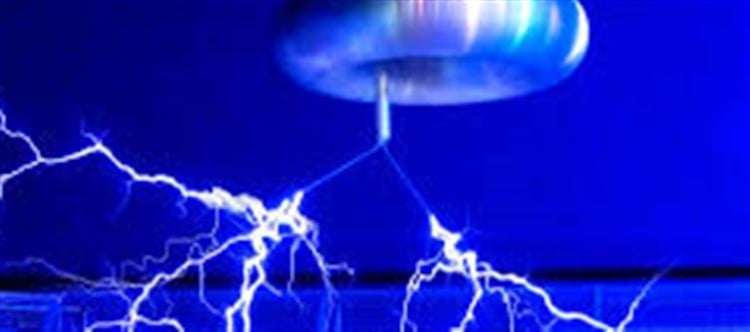


Imagine a world where your devices charge without plugging in cables and electricity flows through the air to power homes, offices, and gadgets. This is not science fiction—wireless electricity is becoming a reality, promising a revolution in how we use energy. From smartphones to electric vehicles, this technology could completely change the way we consume and deliver electricity.
What Is Wireless Electricity?
Wireless electricity, also called wireless power transfer (WPT), is the transmission of electrical energy without physical wires. Instead of connecting devices through cables, electricity is sent through electromagnetic fields, radio waves, or resonant inductive coupling.
Key methods include:
Inductive Coupling: Short-range transfer using magnetic fields. Common in wireless phone chargers.
Resonant Inductive Coupling: Transfers power over medium distances using tuned magnetic fields, allowing devices to charge from a few centimeters to several meters away.
Radio Frequency (RF) Transmission: Uses radio waves to send power to small devices like IoT sensors or wearable gadgets.
Laser or Microwave Transmission: Can send electricity over long distances, potentially even powering devices in hard-to-reach areas.
How Wireless electricity Works
A power transmitter converts electricity into an electromagnetic field.
The energy travels through the air to a receiver coil in the device that needs power.
The receiver converts the electromagnetic energy back into usable electricity to charge the device or power a system.
⚡ Example: Place your phone on a Qi wireless charging pad, and it charges without plugging in a cable. This is inductive coupling in action.
Benefits of Wireless Electricity
Convenience: No need for multiple chargers, adapters, or tangled cables. Charge multiple devices simultaneously without plugs.
Safety: Reduces the risk of electrical shocks and tripping hazards from exposed wires.
Mobility: Wireless charging for electric vehicles and portable devices enables easier and more flexible usage.
Efficiency in Hard-to-Reach Places: Can power devices in remote areas, inside walls, or embedded in furniture without visible wiring.
Smart Homes and IoT: Supports a network of smart devices that can communicate and charge wirelessly.
Applications of Wireless Electricity
- Consumer Electronics: Smartphones, tablets, laptops, and smartwatches.
- Electric vehicles (EVs): Wireless EV charging pads are being tested to allow charging without plugging in.
- Medical Devices: Implants and wearable devices that charge without surgery or wires.
- Industrial Use: Factories can reduce cable clutter and move equipment powered wirelessly.
- Powering Remote Sensors: IoT sensors in agriculture, infrastructure, and smart cities.
Challenges and Limitations
- Range: Most wireless electricity systems work over short distances; long-range transmission is still a technical challenge.
- Efficiency: Wireless power transfer can be less efficient than wired connections, leading to energy losses.
- Cost: Implementing wireless electricity systems, especially for larger applications, can be expensive.
- Safety Concerns: High-power wireless electricity requires careful regulation to prevent electromagnetic interference or health issues.
The Future of Wireless Electricity
Researchers and tech companies are actively exploring ways to increase efficiency, range, and affordability of wireless electricity. In the near future, we could see:
- Homes powered wirelessly, eliminating the need for traditional sockets.
- Electric vehicles charging automatically when parked or even in motion.
- Office spaces without cables, allowing seamless mobility of devices.
- Smart cities with embedded wireless power networks powering sensors, streetlights, and public gadgets.
Bottom Line
Wireless electricity promises a future without tangled cords, where power flows invisibly through the air to devices and systems. While challenges remain, the potential benefits in convenience, safety, and mobility make it one of the most exciting frontiers in energy technology. From charging your phone on a table to powering cities, the age of electricity without wires is closer than ever.
Disclaimer:
The views and opinions expressed in this article are those of the author and do not necessarily reflect the official policy or position of any agency, organization, employer, or company. All information provided is for general informational purposes only. While every effort has been made to ensure accuracy, we make no representations or warranties of any kind, express or implied, about the completeness, reliability, or suitability of the information contained herein. Readers are advised to verify facts and seek professional advice where necessary. Any reliance placed on such information is strictly at the reader’s own risk.
 click and follow Indiaherald WhatsApp channel