



Introduction
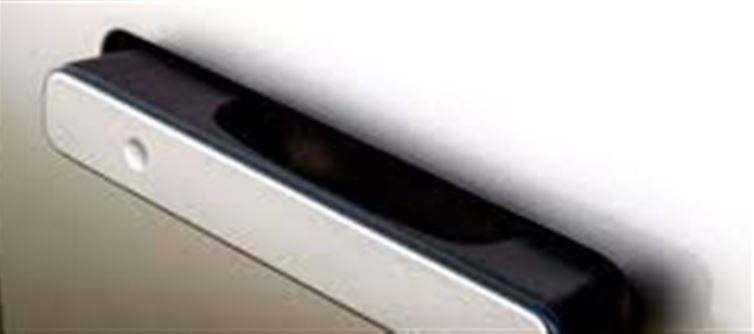
China has announced that hidden or flush door handles on cars will be banned starting in 2027. The move comes amid growing safety concerns, particularly regarding emergency access for first responders and vehicle occupants.
Why Hidden Door Handles Are Controversial
- Emergency Access: Hidden handles can delay entry during accidents or fires, potentially putting lives at risk.
- Pedestrian Safety: Some designs may be harder to see or operate in tight situations.
- Regulatory Standards: Authorities aim to align with international safety norms regarding vehicle accessibility.
Impact on Automakers
- Car manufacturers that rely on flush or pop-out door handles will need to redesign models to comply with new regulations.
- Luxury and electric vehicle makers, who often favor sleek hidden handles for aesthetics and aerodynamics, will be particularly affected.
- The ban may influence vehicle design trends in china and possibly worldwide.
Timeline for Implementation
- Effective Date: january 1, 2027
- Transition Period: Manufacturers have until 2027 to phase out hidden door handles on new vehicles.
- Compliance: Non-compliant vehicles may face penalties or restricted sales.
Safety Benefits Expected
- Faster access for emergency services in case of accidents
- Improved usability for children, elderly, and differently-abled passengers
- Reduction in potential delays during evacuations or emergency situations
Conclusion
China’s decision to ban hidden door handles reflects a commitment to road safety and occupant protection. While this may challenge automakers’ design creativity, it prioritizes human life over aesthetics, potentially setting a precedent for other countries in the coming years.
Disclaimer:
The views and opinions expressed in this article are those of the author and do not necessarily reflect the official policy or position of any agency, organization, employer, or company. All information provided is for general informational purposes only. While every effort has been made to ensure accuracy, we make no representations or warranties of any kind, express or implied, about the completeness, reliability, or suitability of the information contained herein. Readers are advised to verify facts and seek professional advice where necessary. Any reliance placed on such information is strictly at the reader’s own risk.
 click and follow Indiaherald WhatsApp channel