
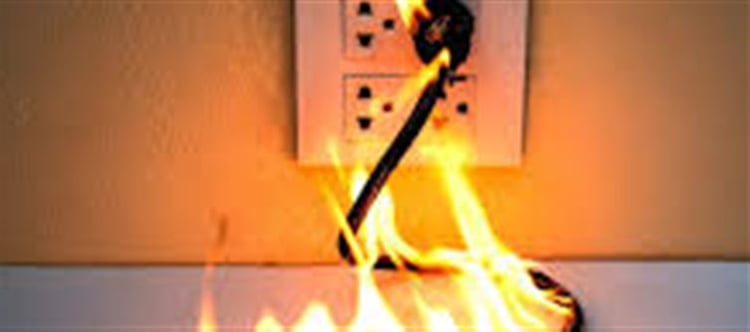


Electrical fires are a serious hazard in homes, often caused by faulty wiring, improper use of appliances, or poor installation practices. By following simple safety tips, you can significantly reduce the risk of fire and protect your family and property.
Essential fire Safety Tips for Using Electrical Items
Install electricity Meters Safely
As per BSES guidelines, electricity meters should always be installed outside the house, preferably near the entry gate.
Avoid placing meters in staircases or enclosed spaces, as this increases the fire risk.
Avoid Overloading Circuits
Don’t connect too many appliances to a single socket or extension cord.
Overloading can cause short circuits and overheating, leading to fires.
Use Quality Electrical Appliances
Always buy appliances with certified safety standards.
Avoid cheap or counterfeit products that lack proper insulation and safety mechanisms.
Regular Inspection of Wiring
Check wiring, switches, and plugs for wear and tear.
Replace frayed wires or damaged sockets immediately.
Switch Off Appliances When Not in Use
Turn off lights, fans, and other electrical devices when leaving home.
Unplug high-power devices like heaters and irons after use.
Install fire Safety Devices
Use smoke detectors and fire extinguishers in critical areas of your home.
Ensure everyone in the household knows how to use fire extinguishers.
Avoid DIY Electrical Work
Electrical repairs should be performed only by licensed electricians.
DIY work can cause short circuits and increase fire risk.
Key Takeaway
Preventing electrical fires requires safe installation, careful usage, and regular maintenance of electrical items. By following these simple precautions, you can protect your home, family, and valuables from potentially devastating accidents.
Disclaimer:
The views and opinions expressed in this article are those of the author and do not necessarily reflect the official policy or position of any agency, organization, employer, or company. All information provided is for general informational purposes only. While every effort has been made to ensure accuracy, we make no representations or warranties of any kind, express or implied, about the completeness, reliability, or suitability of the information contained herein. Readers are advised to verify facts and seek professional advice where necessary. Any reliance placed on such information is strictly at the reader’s own risk.
 click and follow Indiaherald WhatsApp channel