


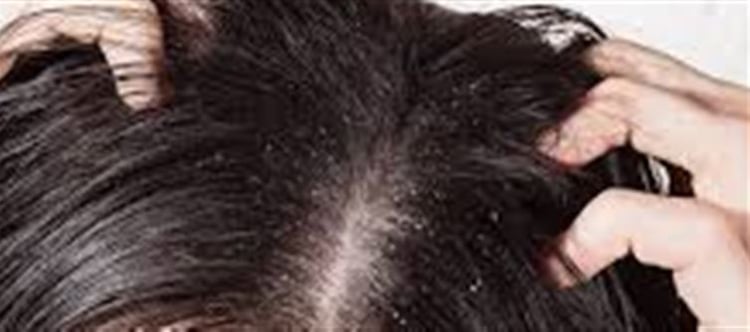

Cold weather, dry air, and indoor heating can wreak havoc on your scalp, leading to itchiness, flakiness, irritation, and hair dryness. Many people notice these symptoms intensify in winter, but why does this happen, and what’s the best way to treat it? Dermatologists and trichologists weigh in to help you understand the root causes and find the right solution.
Why Winter Makes Your Scalp Suffer
1. Reduced Humidity Levels
Cold air naturally holds less moisture, and indoor heating further dries out your environment. This lack of humidity can strip the scalp of its natural oils, leaving it dry and tight.
2. Over-Washing in Winter
Some people increase shampoo frequency to combat oily roots or sweat. However, excess washing in winter can remove protective oils, worsening dryness and flakiness.
3. Harsh Hair Products
Shampoos with strong sulfates or alcohol-based styling products can aggravate winter dryness. Overuse of heat styling tools also contributes to moisture loss.
4. Underlying Skin Conditions
Conditions like seborrheic dermatitis, eczema, or psoriasis can flare in colder months, causing itching, redness, and dandruff.
5. Nutritional Deficiencies & Hydration
Lack of vitamins, minerals, and water intake can manifest as a dry scalp and brittle hair, which is often more noticeable in winter.
Symptoms of a Winter-Stricken Scalp
· Persistent dryness and tightness
· Flaky skin or dandruff
· Itchiness or irritation
· Hair that feels brittle or frizzy
· Redness or sensitivity
Recognizing these signs early allows for timely intervention before it affects hair health significantly.
Expert-Recommended Treatments
1. Switch to Gentle, Moisturizing Shampoos
· Look for sulfate-free or hydrating shampoos that cleanse without stripping oils.
· Ingredients like glycerin, aloe vera, and natural oils help maintain scalp moisture.
2. Limit Hot Water Washes
· Extremely hot water can worsen dryness. Experts suggest lukewarm water to preserve natural oils.
3. Incorporate Scalp Oils & Treatments
· Oils like argan, jojoba, or coconut oil can nourish and reduce flakiness.
· Massage the scalp gently to stimulate circulation and promote healthy hair growth.
4. Avoid Over-Styling
· Reduce heat styling, chemical treatments, and tight hairstyles that stress the scalp.
· If you must use heat, always apply a thermal protectant spray.
5. Try Medicated or Therapeutic Shampoos
· For persistent flakiness, shampoos with ketoconazole, zinc pyrithione, or salicylic acid can help manage dandruff and scalp inflammation.
6. Hydrate & Maintain Nutrition
· Drink adequate water and include foods rich in vitamins A, E, and omega-3 fatty acids to support scalp health.
7. Use a Humidifier
· A humidifier in your bedroom or workspace can maintain moisture in the air and prevent the scalp from drying out.
Lifestyle Tips for a Healthy Winter Scalp
· Brush gently to distribute natural oils from roots to tips.
· Avoid excessive scratching, which can lead to micro-tears and infection.
· Protect hair outdoors with scarves or hats to shield from cold wind.
· Maintain a consistent routine rather than frequently switching products.
When to See a Dermatologist
If dryness is persistent, painful, or accompanied by severe flaking, redness, or hair fall, consult a dermatologist or trichologist. Professional evaluation can help rule out conditions like eczema, psoriasis, or fungal infections and guide you toward targeted treatments.
Bottom Line
Winter scalp woes are common, but with proper care, hydration, and the right products, you can maintain a healthy, itch-free scalp throughout the season. Focus on gentle cleansing, nourishment, and protective measures, and your hair will thank you with strength, shine, and comfort even in the chilliest months.
Disclaimer:
The views and opinions expressed in this article are those of the author and do not necessarily reflect the official policy or position of any agency, organization, employer, or company. All information provided is for general informational purposes only. While every effort has been made to ensure accuracy, we make no representations or warranties of any kind, express or implied, about the completeness, reliability, or suitability of the information contained herein. Readers are advised to verify facts and seek professional advice where necessary. Any reliance placed on such information is strictly at the reader’s own risk.
 click and follow Indiaherald WhatsApp channel