


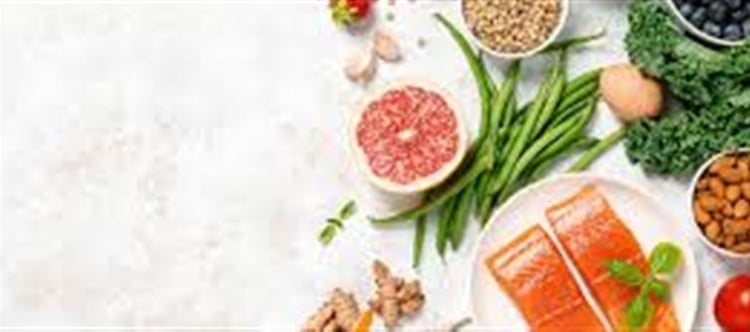

Cancer is a complex disease influenced by genetics, environment, and lifestyle factors. While we cannot change our genes, diet is one of the most powerful tools we have to reduce risk. According to dietitians, the single most impactful habit may not be a trendy superfood or supplement—it’s the overall quality and composition of your daily meals.
Here’s how your everyday diet can act as a strong protective weapon against cancer and what experts recommend incorporating into your routine.
How Diet Influences cancer Risk
The foods we eat affect our hormones, inflammation levels, and oxidative stress—all of which play a role in cancer development. Key mechanisms include:
1. Antioxidant Protection
o Foods rich in vitamins C, E, beta-carotene, and polyphenols combat free radicals that can damage dna and trigger cancerous changes.
2. Anti-Inflammatory Effects
o Chronic inflammation is linked to various cancers. Diets high in fruits, vegetables, whole grains, and healthy fats help reduce inflammation.
3. Regulating Hormones
o Certain cancers, like breast and prostate, are influenced by hormones. A diet low in processed sugars and unhealthy fats helps maintain hormonal balance.
4. Gut Microbiome Support
o A healthy gut promotes proper digestion, nutrient absorption, and immune function. High-fiber diets foster beneficial gut bacteria that can reduce cancer risk.
Dietitian-Approved Daily Habits for cancer Prevention
1. Emphasize Plant-Based Foods
· Include a colorful variety of vegetables and fruits at every meal.
· Cruciferous vegetables like broccoli, cauliflower, and kale contain compounds shown to neutralize cancer-causing agents.
2. Prioritize Whole Grains
· Swap refined grains for brown rice, oats, quinoa, and whole-wheat products.
· Whole grains provide fiber, which aids digestion and may lower colorectal cancer risk.
3. Include Healthy Fats
· Use sources like olive oil, avocado, nuts, and fatty fish.
· Omega-3 fatty acids can reduce inflammation and support immune function.
4. Limit Processed & red Meats
· Excess consumption of processed meats is linked to higher colorectal cancer risk.
· Opt for lean proteins like poultry, legumes, tofu, and fish.
5. Reduce Added Sugars & Refined Foods
· High sugar intake can contribute to obesity and insulin resistance, both of which increase cancer risk.
· Focus on natural, minimally processed foods.
6. Hydrate Smartly
· Water, herbal teas, and antioxidant-rich beverages like green tea support detoxification and overall health.
7. Mind Portion Sizes and Frequency
· Overeating and chronic weight gain are linked to several cancers.
· Maintain balanced portions and avoid late-night snacking on high-calorie foods.
A Simple, Powerful Principle: Consistency Over Fads
Dietitians emphasize that no single “miracle” food prevents cancer. Instead, the key is:
“Consistency in eating a variety of nutrient-dense foods while minimizing harmful processed items.”
Even small daily choices—like adding a serving of leafy greens or swapping soda for water—can cumulatively make a significant difference over time.
Lifestyle Factors That Amplify Diet’s Protective Effects
· Regular physical activity: Helps regulate weight, hormones, and inflammation.
· Avoid tobacco and limit alcohol: Both are major cancer risk factors.
· Adequate sleep and stress management: Chronic stress and sleep deprivation impact immune health and cancer susceptibility.
Bottom Line
Your daily meals can indeed be a powerful tool in reducing cancer risk, but the focus should be on holistic, balanced, and consistent eating habits rather than chasing the latest superfood trends.
By prioritizing plant-based foods, whole grains, healthy fats, and lean proteins, while limiting processed and sugary items, you create a dietary shield that supports overall health and reduces cancer risk over time.
Disclaimer:
The views and opinions expressed in this article are those of the author and do not necessarily reflect the official policy or position of any agency, organization, employer, or company. All information provided is for general informational purposes only. While every effort has been made to ensure accuracy, we make no representations or warranties of any kind, express or implied, about the completeness, reliability, or suitability of the information contained herein. Readers are advised to verify facts and seek professional advice where necessary. Any reliance placed on such information is strictly at the reader’s own risk.
 click and follow Indiaherald WhatsApp channel