



In the world of skincare, innovative tools and techniques are constantly emerging to enhance skin health and appearance. One such transformative tool that has gained widespread recognition is the derma roller. Known for its ability to rejuvenate skin, reduce scars, and boost collagen production, derma rolling is a simple yet highly effective way to achieve radiant, youthful skin from the comfort of your home.
What is a Derma Roller?
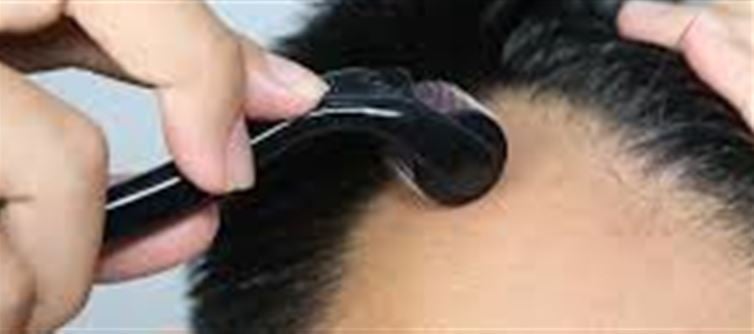
A derma roller is a handheld device with a roller covered in tiny, fine needles. When gently rolled over the skin, these needles create microscopic punctures, stimulating the skin’s natural repair processes. This process is also called microneedling.
Key benefits of the derma roller include:
Boosting collagen and elastin production for firmer skin
Improving skin texture and tone
Reducing fine lines, wrinkles, and scars
Enhancing absorption of skincare products
How Does a Derma Roller Work?
The principle behind derma rolling is simple: controlled micro-injuries trigger the skin’s healing response. When the skin repairs itself:
Collagen and elastin production increases, improving elasticity and reducing wrinkles.
Blood circulation improves, enhancing nutrient and oxygen supply to the skin.
Topical skincare products penetrate deeper, making serums and creams more effective.
The result is smoother, plumper, and radiant skin over time with regular use.
Choosing the Right Derma Roller
Not all derma rollers are the same. Choosing the correct needle length and quality is crucial:
0.25 mm: Ideal for boosting serum absorption and maintaining skin glow
0.5 mm: Effective for minor scars and pigmentation
1.0 mm: Targets deeper acne scars and fine lines
1.5 mm or above: Best suited for professional use on severe scarring or deep wrinkles
Tip: For home use, stick to needles 0.25 mm to 0.5 mm. Longer needles should only be used under professional supervision.
Steps to Use a Derma Roller Safely
Cleanse Your Skin Thoroughly: Remove all makeup, dirt, and oil.
Disinfect the Derma Roller: Soak in 70% isopropyl alcohol for 5–10 minutes.
Roll Gently: Roll in vertical, horizontal, and diagonal directions over the target area. Avoid excessive pressure.
Apply Serums: Use a hydrating serum or vitamin c serum immediately after rolling to enhance absorption.
Moisturize and Soothe: Apply a gentle moisturizer to calm the skin.
Clean and Store: Rinse the roller with warm water, disinfect again, and store in a dry, clean place.
Frequency:
0.25 mm needles: 2–3 times a week
0.5 mm needles: Once a week
Avoid rolling over inflamed acne or broken skin
Benefits of Regular Derma Rolling
Reduces Fine Lines and Wrinkles: Collagen stimulation smooths out early signs of aging.
Improves Skin Texture: Minimizes rough patches, enlarged pores, and uneven tone.
Fades Scars and Stretch Marks: Microneedling promotes tissue regeneration for improved appearance.
Enhances Product Efficacy: Skincare serums penetrate deeper, boosting results.
Promotes Radiant Skin: Regular treatments leave the skin looking plump, healthy, and rejuvenated.
Precautions and Tips
Avoid using a derma roller on active acne, eczema, or skin infections.
Always disinfect the roller before and after use to prevent infections.
Use gentle, non-irritating serums post-treatment.
Limit sun exposure immediately after treatment and apply sunscreen.
Do not share your derma roller with others.
Conclusion
The derma roller is a powerful tool that unlocks the skin’s natural ability to repair and rejuvenate itself. With consistent, careful use, it can improve texture, reduce scars, and boost collagen production, leaving the skin smoother, firmer, and radiant.
When combined with proper skincare and sun protection, derma rolling can be a game-changer in your beauty regimen, offering professional-level results right at home.
Disclaimer:
The views and opinions expressed in this article are those of the author and do not necessarily reflect the official policy or position of any agency, organization, employer, or company. All information provided is for general informational purposes only. While every effort has been made to ensure accuracy, we make no representations or warranties of any kind, express or implied, about the completeness, reliability, or suitability of the information contained herein. Readers are advised to verify facts and seek professional advice where necessary. Any reliance placed on such information is strictly at the reader’s own risk.
 click and follow Indiaherald WhatsApp channel