


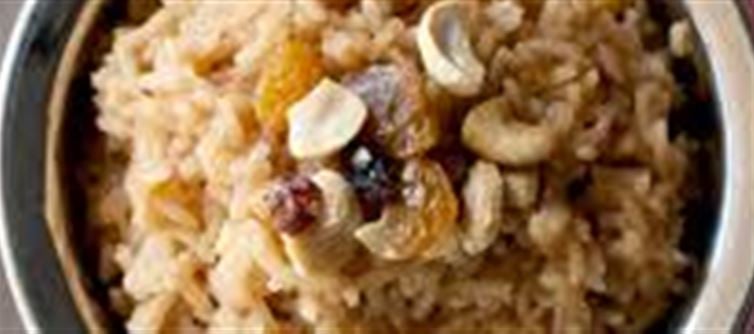

Jaggery rice, often referred to as Gur Wale Chawal in many parts of India, is a timeless sweet dish that delights the senses with its rich flavor and aromatic charm. Unlike refined sugar, jaggery is a natural sweetener packed with minerals and antioxidants, making this dessert not only delicious but also nourishing. Perfect for festive occasions, family gatherings, or a simple treat, jaggery rice is a versatile dish that transcends seasons.
1. Why jaggery Rice is Special
Jaggery rice is more than just a dessert; it is a celebration of tradition and flavor. Here’s what makes it unique:
Natural Sweetness: jaggery provides a deep, caramel-like sweetness that sugar cannot replicate.
Health Benefits: Rich in iron, magnesium, and antioxidants, jaggery aids digestion and boosts immunity.
Aromatic Touch: When cooked with aromatic spices like cardamom and cloves, jaggery rice releases a fragrance that instantly uplifts the mood.
Unlike typical desserts, jaggery rice is light on the stomach and suitable for people of all ages.
2. Ingredients Needed
To prepare authentic jaggery rice, gather the following ingredients:
Rice: 1 cup (preferably Basmati for aroma and fluffiness)
Jaggery: ¾ cup, grated or powdered
Water: 2 cups
Ghee (Clarified Butter): 2–3 tablespoons
Cardamom Pods: 3–4, crushed
Cashews and Raisins: 2 tablespoons each
Optional Flavor Enhancers: Saffron strands, a pinch of nutmeg, or a few cloves
These ingredients combine to create a sweet, aromatic dish that is rich, yet not overwhelmingly heavy.
3. Step-by-Step Preparation
Here’s how to make jaggery rice perfectly:
Step 1: Rinse and Cook Rice
Wash the rice thoroughly until water runs clear to remove excess starch.
Boil 2 cups of water in a pan, add the rice, and cook until soft but not mushy. Drain any excess water.
Step 2: Prepare jaggery Syrup
In a separate pan, melt jaggery with a little water over low heat until smooth.
Strain the syrup to remove impurities and ensure a silky texture.
Step 3: Combine Rice and Jaggery
Pour the warm jaggery syrup over the cooked rice.
Gently mix so the rice absorbs the syrup evenly without breaking the grains.
Step 4: temper with ghee and Spices
Heat ghee in a small pan and sauté cashews, raisins, and crushed cardamom until golden.
Pour this aromatic mixture over the jaggery rice and fold gently.
Step 5: Optional Garnishing
Garnish with saffron strands or extra nuts for a festive touch.
Serve warm for the best flavor and aroma.
4. Tips for Perfect jaggery Rice
Use fresh jaggery; old or darkened jaggery can impart a bitter taste.
Avoid overcooking rice; it should remain fluffy and separate.
Adjust sweetness to taste; jaggery varies in sweetness depending on the region.
Add a splash of milk or coconut milk for a richer, creamier version.
5. When to Enjoy jaggery Rice
Jaggery rice is a versatile dish that suits every occasion:
Festivals and Religious Ceremonies: Traditionally offered as a prasad in temples.
Family Gatherings: A comforting dessert that everyone loves.
Daily Treat: A healthier alternative to sugar-laden desserts.
Its natural sweetness and aromatic profile make it a dish that is comforting in winter, refreshing in rainy seasons, and light in summer.
6. Final Thoughts
Jaggery rice is more than a dessert—it’s an experience that evokes warmth, nostalgia, and festive cheer. Its combination of natural sweetness, aromatic spices, and wholesome ingredients makes it a perfect choice for anyone seeking a sweet treat without guilt. By following this recipe, you can bring the magic of traditional indian flavors to your kitchen, creating a dish that is both timeless and irresistible.
Whether it’s a festival, special occasion, or a cozy evening at home, jaggery rice promises a delicious journey of taste and tradition in every bite.
Disclaimer:
The views and opinions expressed in this article are those of the author and do not necessarily reflect the official policy or position of any agency, organization, employer, or company. All information provided is for general informational purposes only. While every effort has been made to ensure accuracy, we make no representations or warranties of any kind, express or implied, about the completeness, reliability, or suitability of the information contained herein. Readers are advised to verify facts and seek professional advice where necessary. Any reliance placed on such information is strictly at the reader’s own risk.
 click and follow Indiaherald WhatsApp channel